Commercial Security Guard Services
- Customized Post Orders for Every Site
- GPS-Verified Patrols via Silvertrac
- Trained Supervisors Managing Every Post
- 30-Day Trial — No Long-Term Commitment
START SECURITY SERVICES TODAY
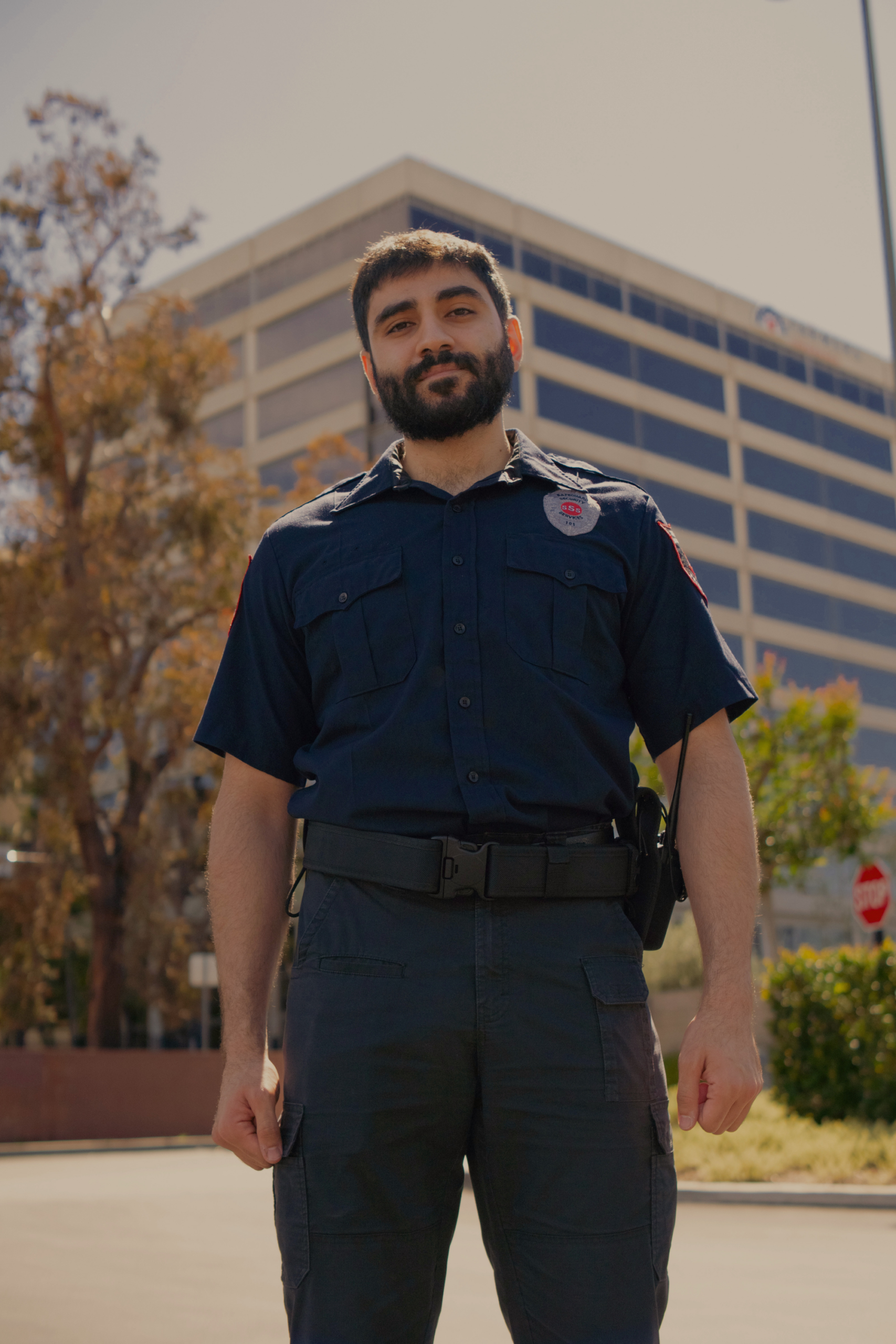
Commercial Security Guard Services
Commercial security guards deal with break-ins, theft, vandalism, trespassing, and access control. That’s the short version. If you’re managing a commercial property or running a business, you’ve probably already run into the kind of issues that make you pick up the phone and start calling security companies. Maybe you’ve tried one or two, and they didn’t work out. This is about what to look for, and where most providers quietly fall short.
Have you ever hired a company where the guard was fine but the management was the problem? Slow response times. Nobody to call. Nobody who seems to know what’s going on when something actually happens. Once the management side breaks down, the service breaks down with it, no matter how good the guard on post is. We’ve taken over plenty of contracts from companies that were chasing the sale and couldn’t hold up the relationship after it. Honestly, an average guard with clear post orders and someone watching over them will beat an experienced guard who got dropped on site with no instructions.
Property managers and business owners in Southern California keep picking us for a pretty simple reason. We don’t open with “how many guards do you want.” The first question we ask is “what does your property actually need, and how can we help.” Every new client starts with a site assessment. If we can’t explain why a post needs to exist, we’re not going to staff it. The 30-day trial is there so you can see the service before signing anything longer than that.
"Switched to Safeguard after our last company stopped showing up. Same two officers every shift now, and our tenants actually know them."
"The site assessment was thorough and the post orders were written for our building, not copy-pasted. Big difference."
"Supervisors actually check the patrols. We pull reports through the portal whenever we want, no more guessing."
"Took over our contract on short notice after a break-in. Guards were on site within hours."
"Itemized pricing, no surprise fees, and the officers are professional. Exactly what we needed."
"Best commercial security we have worked with in Southern California. Responsive management and reliable officers."
"Switched to Safeguard after our last company stopped showing up. Same two officers every shift now, and our tenants actually know them."
"The site assessment was thorough and the post orders were written for our building, not copy-pasted. Big difference."
"Supervisors actually check the patrols. We pull reports through the portal whenever we want, no more guessing."
"Took over our contract on short notice after a break-in. Guards were on site within hours."
"Itemized pricing, no surprise fees, and the officers are professional. Exactly what we needed."
"Best commercial security we have worked with in Southern California. Responsive management and reliable officers."
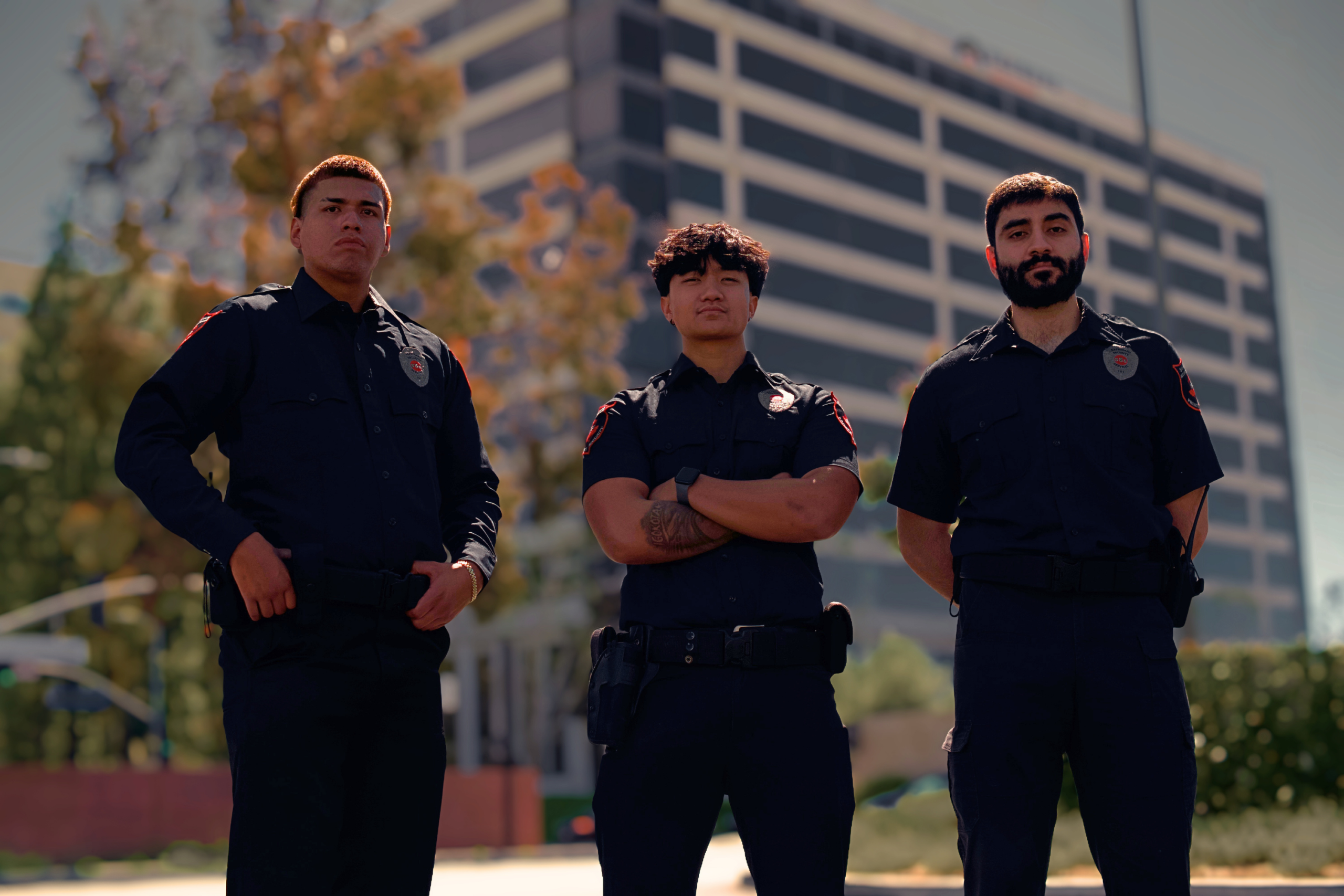
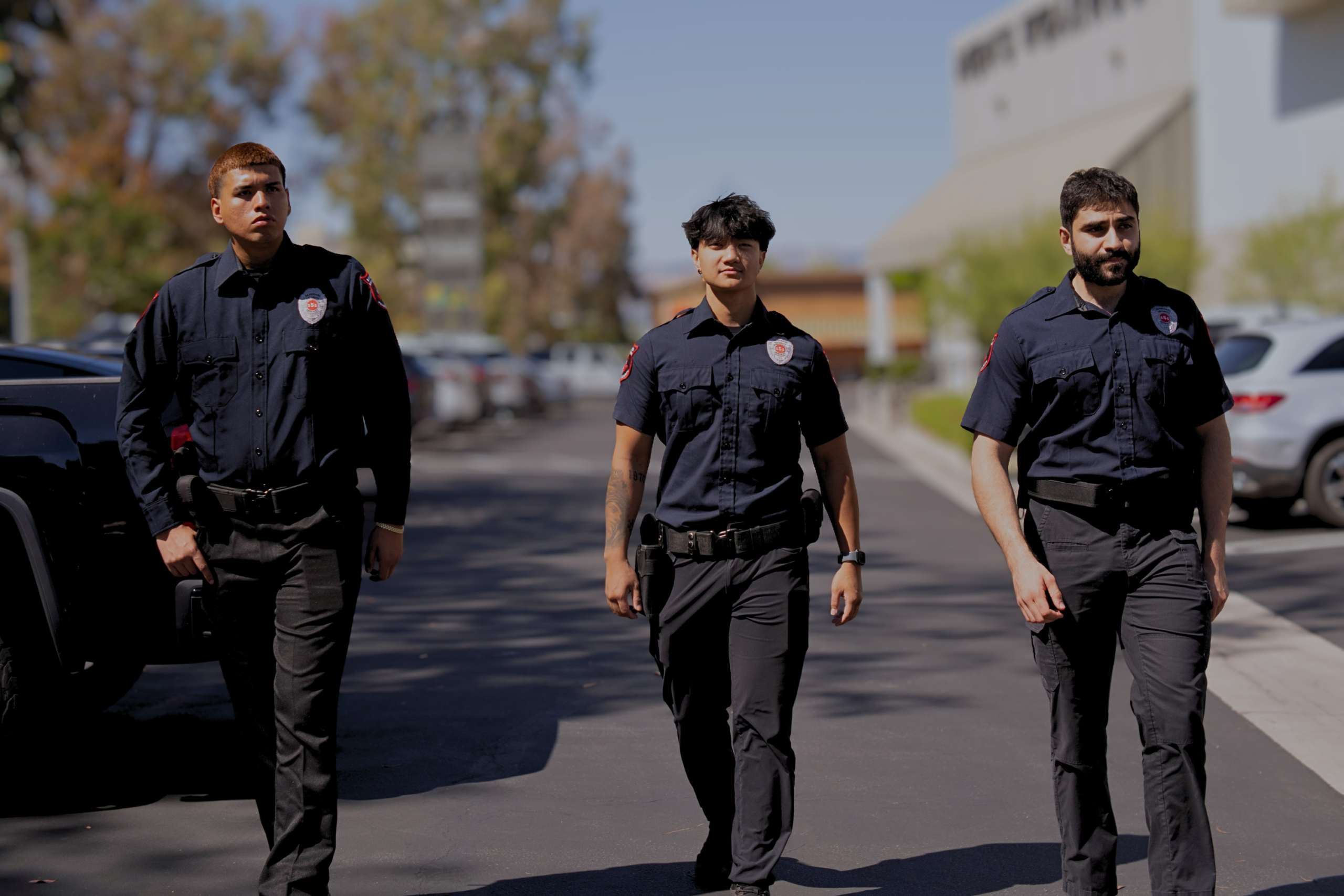
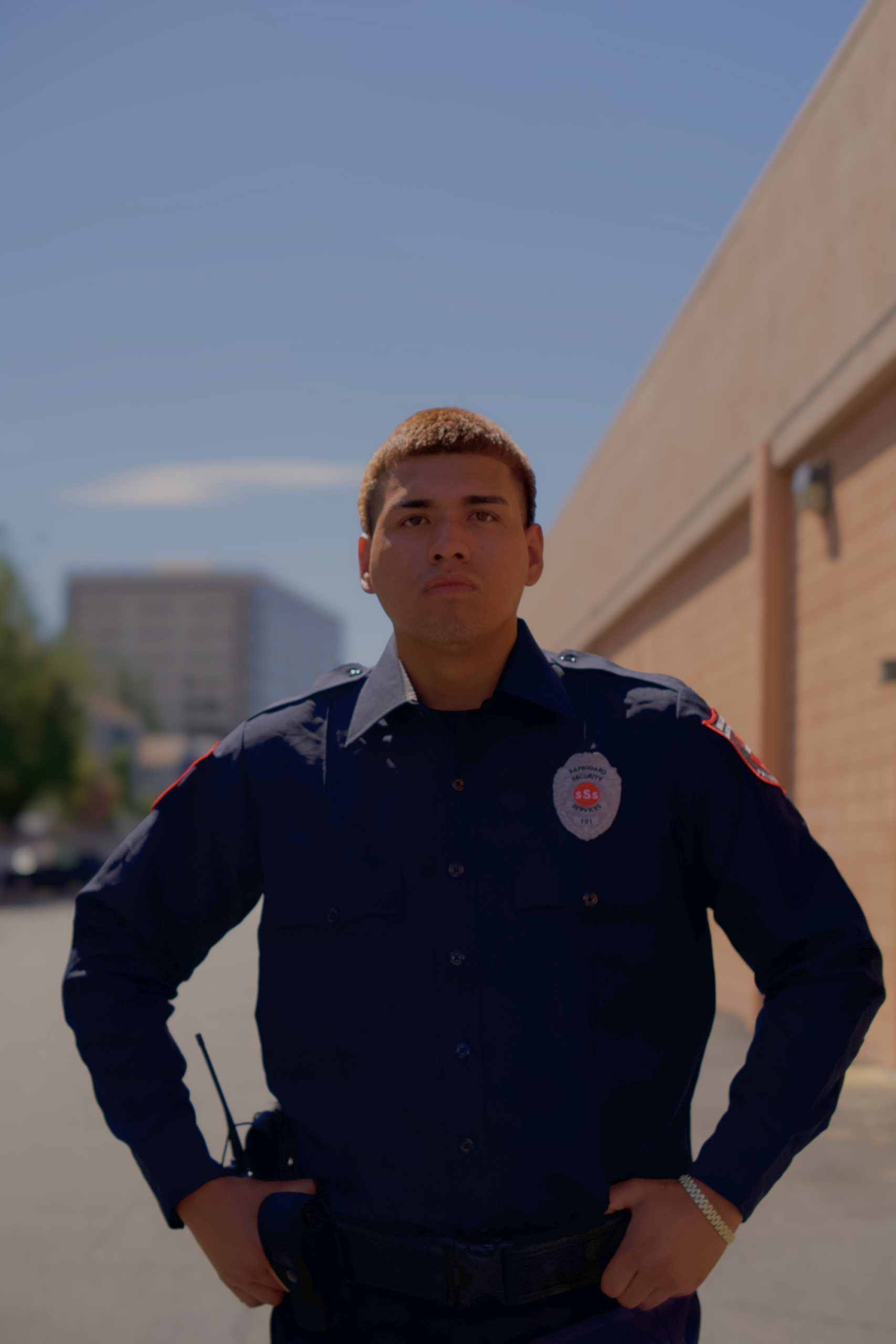
What Sets Us Apart
What Separates Safeguard’s Commercial Security Guard Services from Others
A commercial security company can be a national firm running 10,000 employees or a guy with three guards and a cell phone. On paper they look the same. Licensed, bonded, insured. Both will send a guard to your building. The problem is that the difference doesn’t show up on day one. It shows up when something goes sideways. An incident. A tenant complaint. An insurance claim that needs hourly reports. A guard who isn’t a fit and needs swapping out. Those are the moments that tell you what you actually signed up for.
At Safeguard, we have a team of trained supervisors managing our guards. Supervision matters as much as the guard on post. So does the system behind it, and how quickly we respond when a client calls. You’ll see the guard every day. You won’t see the supervision. That’s the part most clients don’t think about until it’s missing.
Here’s what to look for when you compare security guard companies:
Valid guard card. Every guard on your property should have a current California BSIS Guard Card. Getting one takes 40 hours of state-mandated training. Ask the provider if they actually check card status before every shift, or only at hire. Because cards expire, and guards let them lapse. That’s supposed to be the security company’s job to track, not yours.
Customized post orders. Ask whether you’ll get a post order written for your site, or a copy-paste version from somewhere else. A good post order names your buildings, names your checkpoints, and tells the guard exactly what to do when a tenant shows up at 3 a.m. asking to be let in. The more specific it is, the less you’ll have to clean up later.
Clear pricing sheet. Your proposal should come with an itemized pricing sheet, not just a flat “$30/hr for guards” line. Ours breaks out the guard rate, overtime, holidays, add-ons, and anything else that could show up on your invoice.
Supervision plan. This is where most providers quietly fall apart. Ask them straight: how do you actually know the guard is doing their patrols? If the answer is “our operations manager is on call,” that’s not supervision. That’s a voicemail box. Real supervision is someone reviewing guard activity during the shift, not after a tenant has already complained.
The guard shows up. Nobody checks in. The property manager assumes everything’s running fine until a tenant mentions they haven’t seen the guard in two days. And by that point, you’re not really managing security. You’re doing damage control.
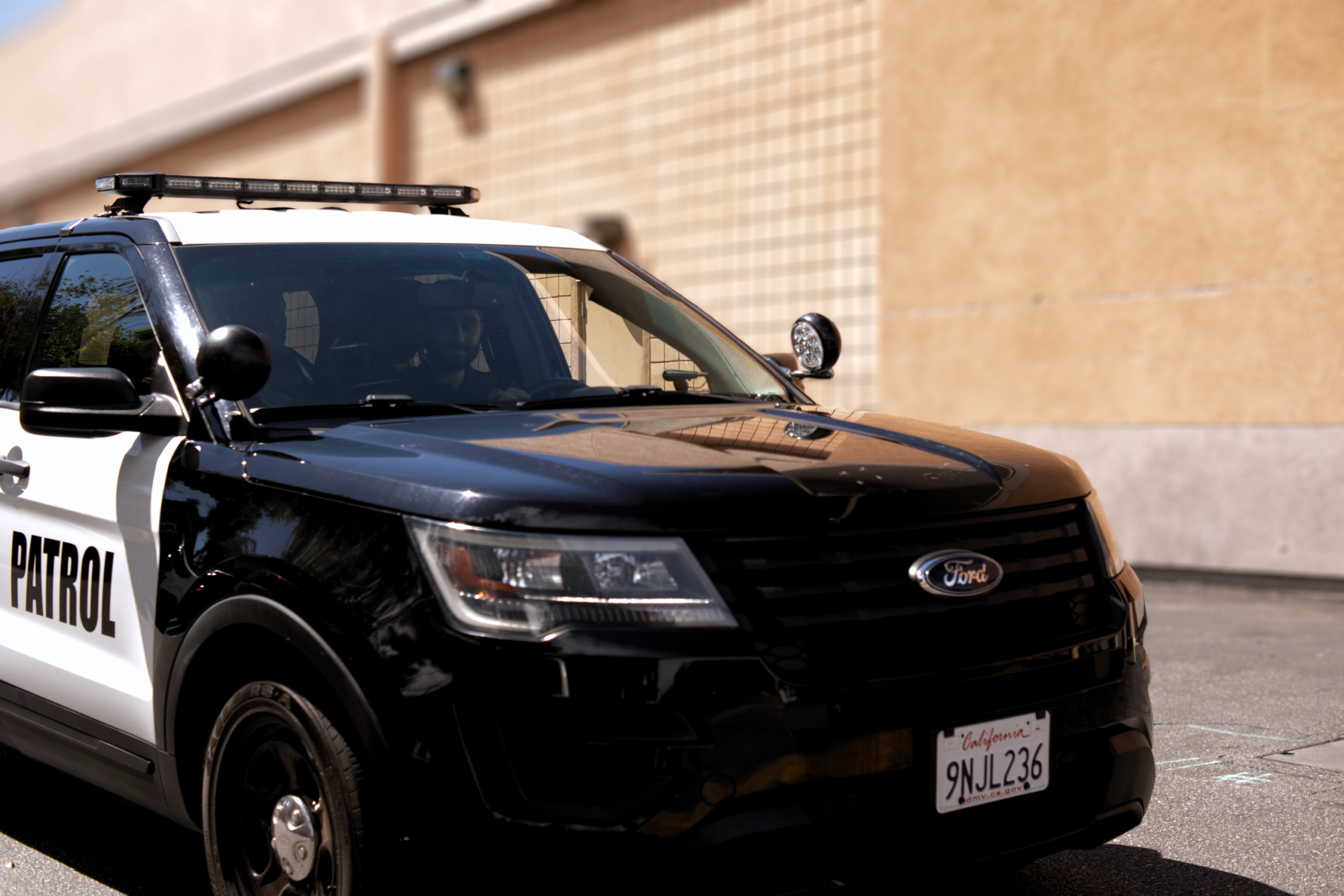
We build coverage around your property, not a quota.
Talk to a supervisor who actually walks your site before quoting a single post.
Post Orders
What Your Commercial Security Post Order Should Cover
A post order tells the guard what to do, when, and how to handle the stuff that comes up during a shift. For a commercial building, it should be detailed enough that a cover guard can walk in cold and do the job for a day or two without calling anyone. Most post orders out there are templated, rushed, and vague. Some providers don’t even bother writing them at all.
A good one for an office building covers a few things. The patrol route with named checkpoints, like the lobby, garage levels P1 through P3, stairwells, roof access, and the loading dock. How often the guard patrols inside, usually every 45 to 60 minutes. Access control: badge verification, visitor sign-in, how to handle package deliveries. Emergency response for fire alarms, medical events, and unauthorized access. And the property manager’s number, in case a guard needs to verify a vendor.
One question we get a lot. What happens when something comes up that the post order doesn’t cover? Honestly, guards run into that every day. No single document can cover every possible scenario. What the post order actually does is cover the core job, the emergency procedures, and who to call when an incident happens. Our guards are experienced. They’re trained in de-escalation, customer service, and the legal limits on what a guard can and can’t do. And if they really don’t know how to handle something, they call a field supervisor and get walked through it.
One thing that gets skipped constantly: the post order should explain what the guard does in the last 30 minutes of their shift. For 24/7 coverage, that means every guard writes a quick shift summary. What happened during the shift. Any incidents. Deliveries that still need to be picked up. Vendors scheduled for the next shift. Offices that need to be opened for a new tenant. If a vendor shows up in the morning and says they’ll be back in the afternoon, the afternoon guard should already know to expect them.
Coverage Options
Dedicated Security Guard vs. Mobile Patrol for Commercial Properties
Some commercial properties need a standing guard. Others get by fine with mobile patrol. The question is whether your issues are small and occasional, or actually constant. If all you need is someone to open the gates in the morning, lock up after everyone leaves, and check the property a couple times in between, patrol works. If you’ve got deliveries coming in, constant trespassing, property damage, break-ins, or vandalism to deal with, you need a standing guard on site.
Standing Guard
- Deliveries coming in
- Constant trespassing
- Property damage, break-ins, or vandalism
Mobile Patrol
- Open the gates in the morning
- Lock up after everyone leaves
- Check the property a couple times in between
There’s a real price difference between patrol and a dedicated guard, so picking the right level matters. A full-time guard runs between $27 and $37 an hour, depending on the duties, the location, the size of the property, and the risk. Roving patrol packages cost between $2,500 and $3,000 for three patrols a night. Both cut down on break-ins, theft, vandalism, and damage.
Commercial coverage rates · California
Both cut down on break-ins, theft, vandalism, and damage.
Some properties need both. Full-time officer during the day, patrols overnight. That setup is pretty common for mixed-use commercial buildings. It usually costs less than full 24-hour standing coverage, and you still have a presence at night.
If your current provider hasn’t walked you through the options with real numbers attached, that tells you something. A provider who only offers one option, usually a standing guard because that bills the most hours, isn’t really building a plan around your property. They’re plugging hours into a post.
If you’re ready to figure out what the right coverage actually looks like for your property, we can help. If it turns out you need less than you thought, we’ll say so. We’d rather put together a plan that fits than sell you hours on a post that doesn’t need them. From what we’ve seen, that’s the difference between a service you keep and one you’re replacing in six months.
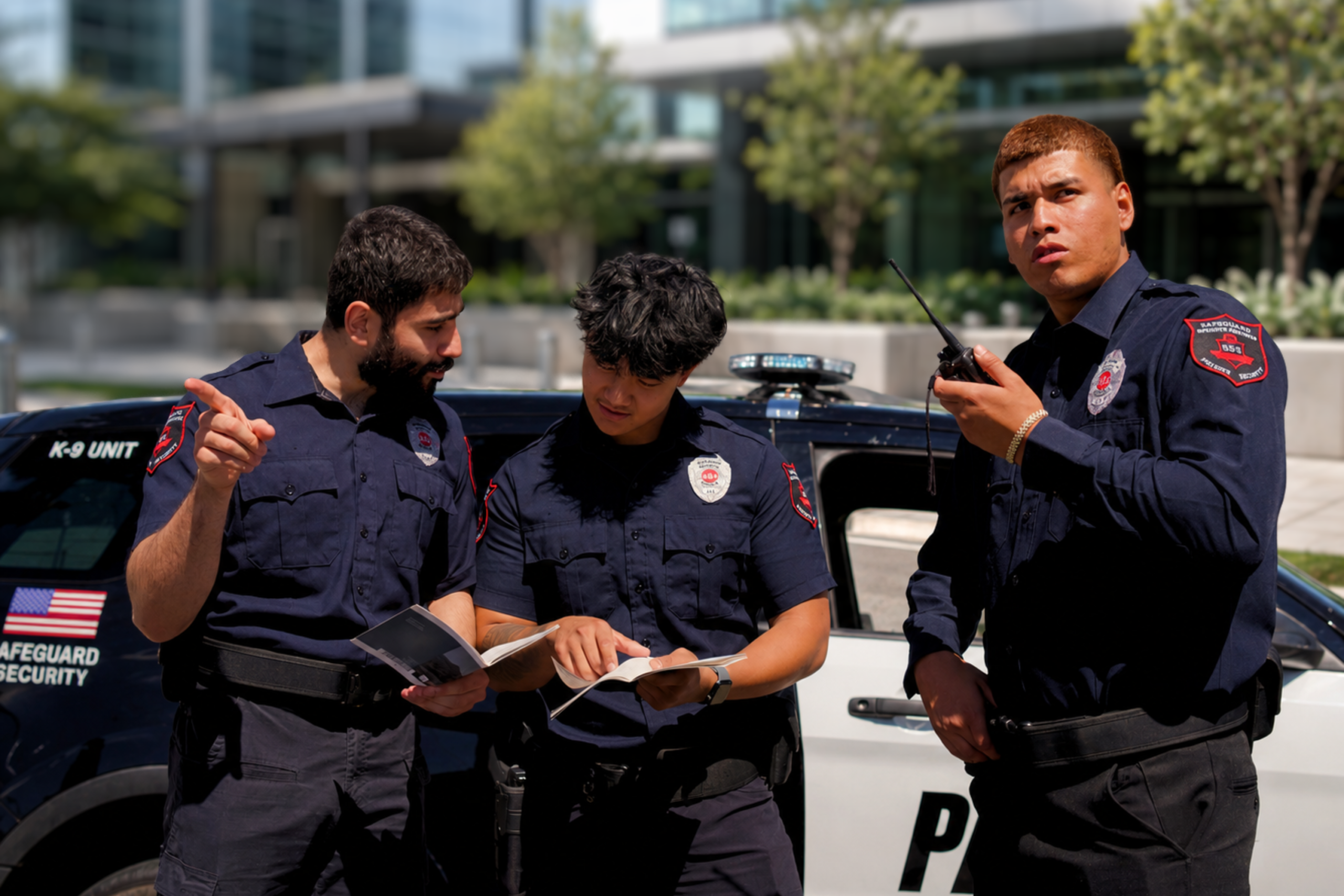
Tell us what your current provider keeps getting wrong.
We have taken over plenty of commercial contracts across Southern California. Start with a walkthrough.
Frequently Asked Questions About Commercial Security Guard Services
How much do commercial security guard services cost?
What’s the difference between contract security and in-house security for a commercial building?
Can commercial security guards enforce parking rules on private property?
How long does it take to set up commercial security for a new building?
Do commercial security guards in California need a BSIS Guard Card?
What should I include in an RFP for commercial security guard services?
How do I check that my commercial security guards are actually patrolling?
Can a commercial security guard deny someone entry to my building?
What’s the most common reason commercial security contracts get cancelled in the first year?
What happens if a tenant files a complaint about how a security guard handled a situation?
Figure Out the Right Coverage for Your Property
Site assessment first. Custom post orders. Supervisors who actually watch the post.