Mobile Patrol vs. On-Site Security Guards: Which One Fits Your Property?
START SECURITY SERVICES TODAY
Most security companies sell you hours. They don’t sell you accountability. That’s why you’ve had guards who missed checkpoints, skipped patrols, and left you wondering if anyone actually showed up at 2 AM.
Mobile patrol and on-site guards solve two different problems. Pick the wrong one and you’re paying for coverage that doesn’t match your risks. Here’s how to figure out which one fits your property.
Who This Is Actually For
You’re reading this because something already went wrong. Or you can feel it coming. Maybe you manage a residential community that loses control after hours. Noise complaints are getting worse. Cars are getting broken into. The board wants answers and you need a guard who will actually patrol past midnight.
Maybe you own a warehouse and a contractor walked in unchecked last month. Inventory losses don’t add up. You need someone who treats the loading dock differently than the break room.
Or you’re planning an event and the last security company put one guard at the front door and ignored the side exits. The crowd backed up and overwhelmed the checkpoint. You need a team that figures out the issues before the first guest shows up.
Or you’re on an HOA board dealing with late-night problems in the amenity areas. The pool, the gym, the parking garage. Residents are frustrated and they want to see proof that someone is actually patrolling. Not just your word for it.
Residential Community Manager
“Loses control after hours. Noise complaints are getting worse. Cars are getting broken into.”
Warehouse Owner
“A contractor walked in unchecked last month. Inventory losses don’t add up.”
Event Planner
“The crowd backed up and overwhelmed the checkpoint.”
HOA Board Member
“Late-night problems in the amenity areas. The pool, the gym, the parking garage.”
Walk Your Property With Us
We’ll look at your risks, talk through your options, and give you a quote based on what we actually find.
Two Services. Two Different Problems.
What Mobile Patrol Actually Covers
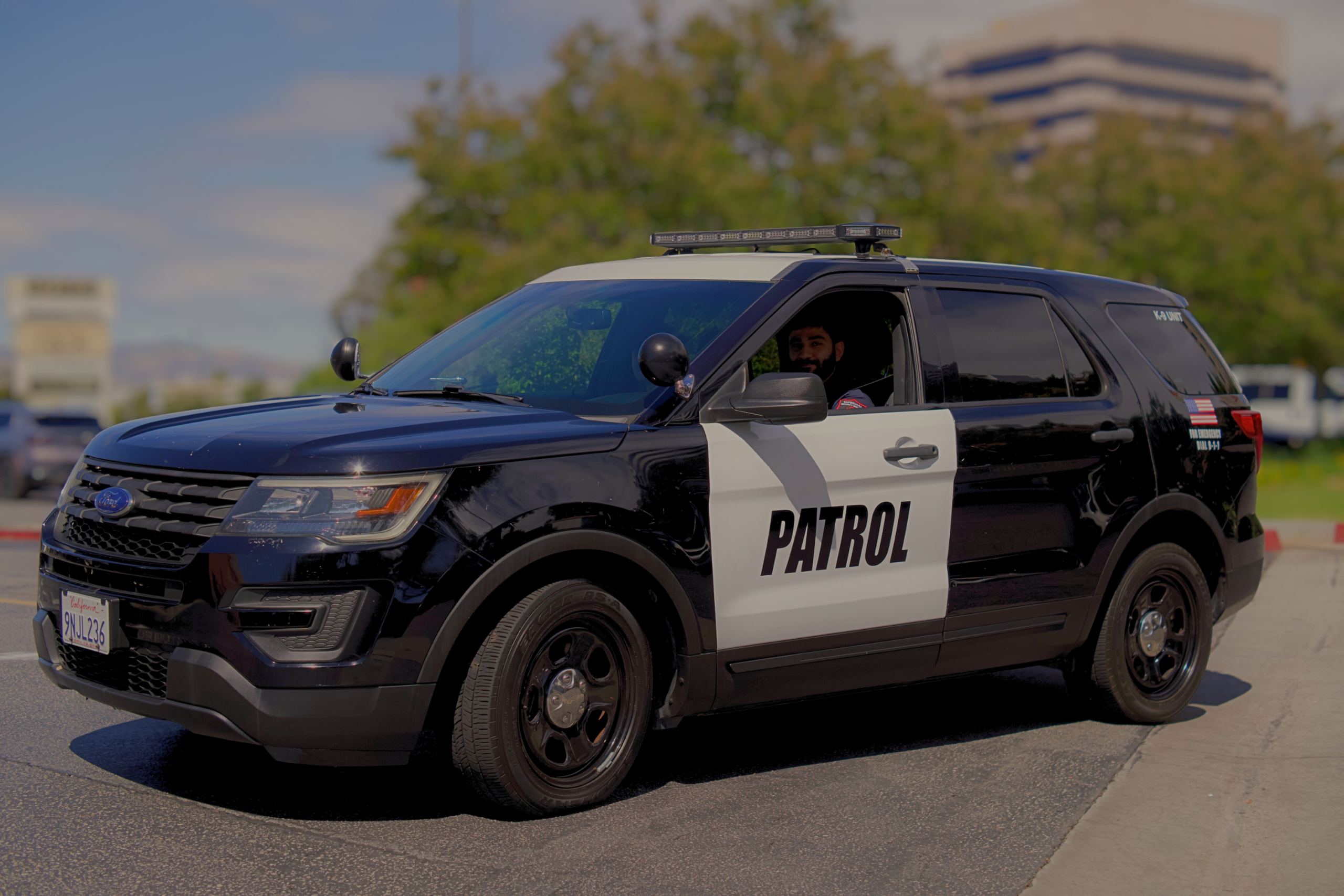
Mobile patrol is scheduled visits of your property by a professional security guard. A patrol unit visits your property at different times each night, typically 2 to 4 times per shift. Each stop includes a perimeter check, a walkthrough of your checkpoints, and a GPS-timestamped Silvertrac report sent directly to you.
This works for properties where problems follow a pattern. Parking structures with overnight vandalism. Retail plazas with after-hours loitering. Construction sites where theft spikes on weekends. You don’t need someone standing there for 8 hours. You need someone showing up at the right times, and you need proof they were there.
It also works great if you need your property gates locked at a set time, you want to enforce parking rules, or just want to take a proactive approach to prevent problems before they start happening.
Tradeoff: If something happens between stops, nobody is on-site to deal with it right away. That’s the tradeoff, and it’s worth understanding before you sign anything.
What On-Site Security Guards Actually Cover
On-site guards are for properties that need someone there all shift. Access control at lobbies and loading docks. Someone to respond when something happens. Visitor management. Contractor check-in. Deliveries that need eyes on them.
A warehouse with active loading docks needs someone controlling who walks in and out. A patrol car that shows up twice won’t cut it. Residential communities with pool areas, clubhouses, and parking garages need a guard who knows the residents and can handle a noise complaint at midnight without calling dispatch first.
On-site security guards cost more per hour. For properties with steady foot traffic, multiple access points, or high-value inventory, that cost pays for itself. One prevented incident saves you ten times the contract.
Best fit: Properties with steady foot traffic, multiple access points, or high-value inventory where one prevented incident pays for the contract many times over.
| At a Glance | Mobile Patrol A | On-Site Guards B |
|---|---|---|
| Coverage Style | 2–4 scheduled visits per shift, randomized timing | Continuous, full-shift presence |
| Best For | Parking structures, retail plazas, construction sites | Warehouses, residential communities, lobbies, loading docks |
| Real-Time Response | ✕ Between stops, nobody is on-site | ✓ Someone there to respond when something happens |
| Access Control | ✕ Limited to stop windows | ✓ Visitor management, contractor check-in, deliveries |
| GPS-Timestamped Reports | ✓ Silvertrac at every stop | ✓ Silvertrac at every checkpoint |
| Cost per Hour | Lower — route covers multiple properties | Higher — pays for full-shift presence |
| Common Use Case | Gate lockup, parking enforcement, after-hours deterrent | Access control, on-property response, resident interaction |
Where Each One Fails
This is the part most security companies leave out.
Mobile patrol fails when the route gets predictable. If your patrol visits the same spots at the same times every night, anyone watching figures out the pattern in a week. The schedule needs to change regularly for effectiveness. And the reports need to show what the officer actually saw at each stop, not just a GPS ping.
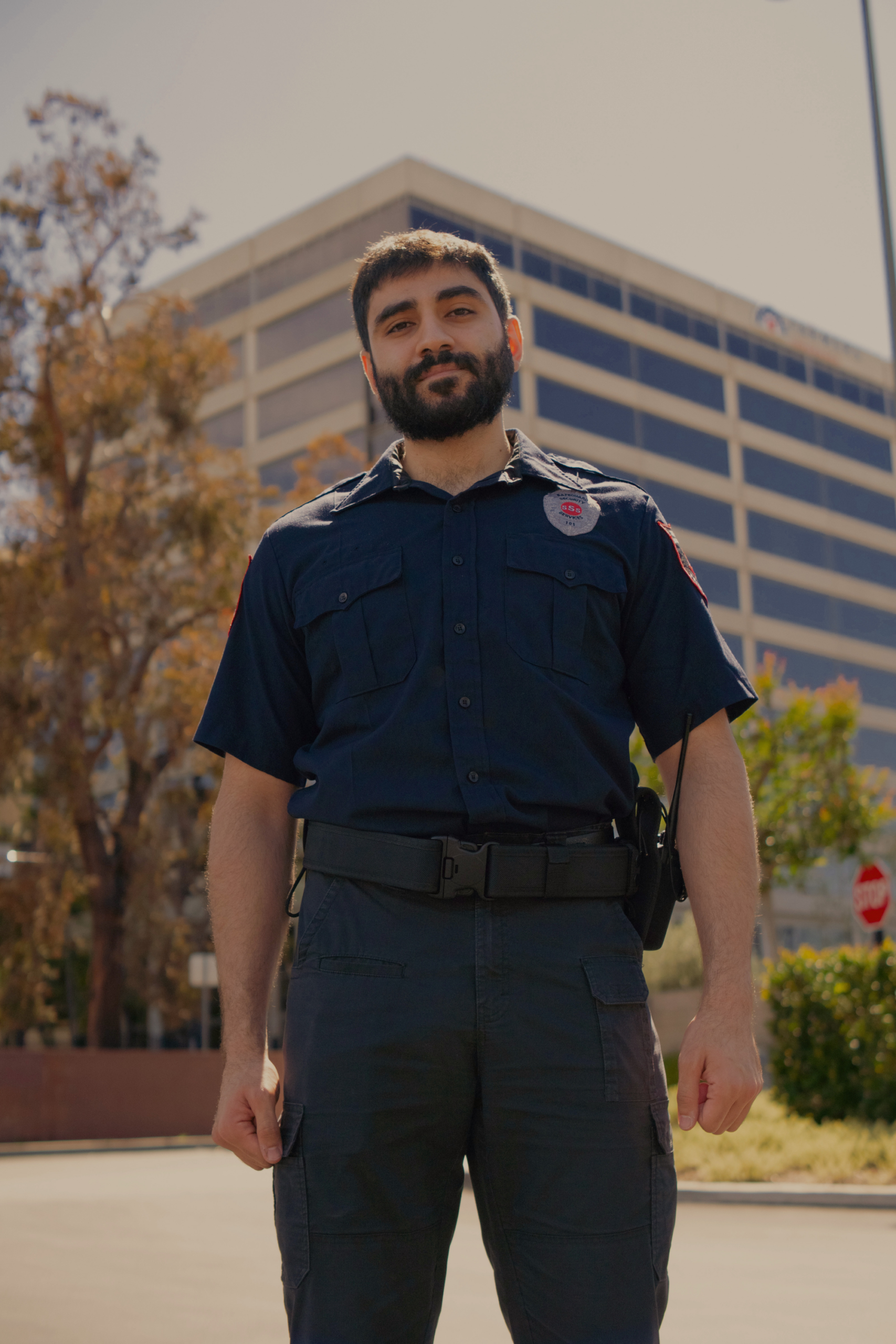
On-site guards fail after midnight. Our Silvertrac logs show most missed checkpoints happen between 2 and 5 AM on overnight shifts. A guard working a 12-hour shift gets tired. They sit in the guard shack. They skip the far end of the parking structure. They stop writing reports. If nobody is watching the data, you won’t find out until something goes wrong.
Where Standards Slip
Our Silvertrac logs show most missed checkpoints happen between 2 and 5 AM on overnight shifts.
“Professional team that takes security seriously. Response times excellent, communication top notch.”
David M.
Google Review
“Best security company in the area. They go above and beyond what’s expected. Highly recommend.”
James P.
Google Review
“Outstanding service. Guards well-trained, attentive, truly care about the properties they protect.”
Sarah K.
Google Review
“Excellent service from day one. Our property is secure and we have complete peace of mind.”
Patricia L.
Google Review
“Safeguard Security has amazing service. Guards are polite, productive, efficient and trustworthy.”
Carlos V.
Google Review
“Pleasure to work with Safeguard. Reliable, professional, great rates, always on time.”
Riley C.
Google Review
Areas We Serve
Safeguard provides mobile patrol and on-site security guard coverage across Southern California. Our team is licensed under California BSIS and PPO #122311.
Don’t see your area? Call (877) 766-5499 — we cover most of Southern California.
Which One Fits Your Property?
How We Set Up Either Service
We look at your property.
We evaluate each property differently. For a warehouse, that means loading docks, delivery staging areas, contractor entry points, camera blind spots, and how people and vehicles move through the building. For residential properties, we map every access point, parking structure, amenity area, lighting gap, and walkway. For events, we look at how crowds will move, where the entry and exit bottlenecks are, VIP areas, and how people get out in an emergency. No two properties get the same assessment.
We write your post orders.
Our post orders are custom to your site. Patrol routes, checkpoint locations, access control procedures, what to do when something happens, and how shift handoffs work. Your property manager gets a copy before the first shift starts.
We pick and train guards for your property.
We match officers to the property type and shift. Every guard holds a valid BSIS Guard Card and completes training beyond the state-required 40 hours. That includes your specific post orders, Silvertrac reporting, and de-escalation. They learn your property before their first solo shift.
We launch with accountability built in.
Every shift runs under our three-layer accountability system. GPS-verified Silvertrac reporting, live 24/7 dispatch monitoring, and unannounced field supervisor checks.
We keep adjusting.
We review Silvertrac data weekly. If the reports show a pattern, whether that’s repeated issues at a specific spot, gaps in timing, or incident trends, we change the routes, the staffing, or the post orders. Your contract isn’t set and forget. Your security shouldn’t be either.
Why Safeguard Runs This Differently
GPS-verified Silvertrac reporting
Silvertrac logs GPS timestamps and officer IDs at every checkpoint.
Live 24/7 dispatch monitoring
Our 24/7 dispatch team watches the reports come in.
Unannounced field supervisor checks
Field supervisors make unannounced visits to confirm what the data shows.
Accountability isn’t a promise. It’s a system.
We monitor every guard, every shift, three ways. Silvertrac logs GPS timestamps and officer IDs at every checkpoint. Our 24/7 dispatch team watches the reports come in. If a 2:00 AM checkpoint report hasn’t shown up by 2:15, dispatch calls the officer directly. On top of that, field supervisors make unannounced visits to confirm what the data shows.
We replace guards fast.
If you don’t like a guard, call us. We don’t push back. We don’t ask you to give them another chance. We pull them off your property and send someone else, typically within 2 hours for a scheduled shift. Same day for an emergency. Open shifts get filled from our trained bench, not a temp agency.
Shift handoffs are documented.
The outgoing officer briefs the incoming officer on active issues, access changes, and anything that came up during their shift. All of it is logged in Silvertrac. We’ve dealt with too many “I didn’t know about that” situations to leave this to chance.
Get a Free Site Assessment
Reach out and we’ll set up a time to walk your property. We’ll look at your risks, talk through your options, and give you a quote based on what we actually find. No pressure, no obligations. The goal is to give you the information you need to make a decision.