Security Guard Insurance and Liability Explained for California Property Owners
GL Floor
Aggregate
Contracts
Monitoring
START SECURITY SERVICES TODAY
When a guest or a visitor gets hurt on your property, the lawsuit may name you, the property manager, the owner, and the security company on the contract.
If the security company carries the right insurance and your contract is written right, most of that claim moves off your books and onto the vendor’s. If it isn’t, you share the liability and write the check.
Security guard insurance and liability in California isn’t just paperwork. It’s what protects you from a six-figure claim when a bad incident happens. Below is what every licensed security vendor has to carry, what your contract should require on top of that, and how to check it before the first officer walks the property.
California Insurance Requirements for Licensed Security Guard Companies
Every contract security company in the state operates under a Private Patrol Operator license. BSIS, the Bureau of Security and Investigative Services, issues the license, sets the rules, and pulls licenses when companies cut corners.
PPO license insurance requirements are tied to the license itself. They apply whether the company runs armed officers, unarmed guards, or both. If a vendor’s general liability lapses for any reason, BSIS can suspend the license while your contract is still active. Your guards walk off the site that night.
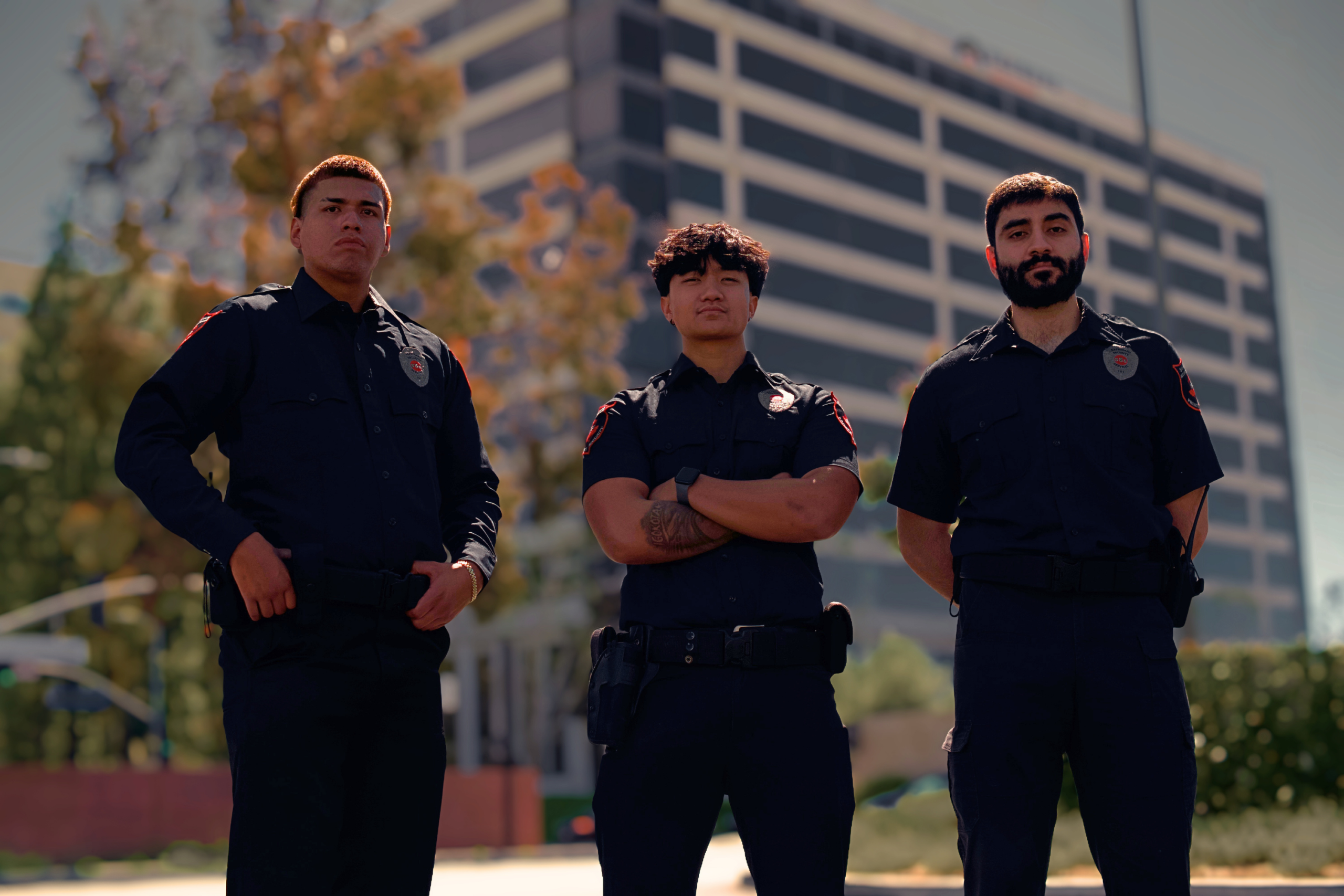
One lapsed certificate, one empty post.
BSIS files every Certificate of Liability Insurance at licensing and at every renewal. If the GL drops, the license drops with it — and your guards are gone within 24 hours.
BSIS Floor
Code Section
Every Renewal
Empty Post
Minimum General Liability Coverage Required by BSIS
California Business and Professions Code 7583.40 sets the floor at $1 million per occurrence in commercial general liability. That’s the BSIS minimum coverage, and it responds to bodily injury, property damage, and personal injury tied to the work on your post.
Every PPO has to file a Certificate of Liability Insurance with BSIS at licensing and at every renewal. No active certificate, no license. A mid-contract lapse can shut a vendor down and leave you scrambling to staff your post within 24 hours.
Workers' Compensation Requirements for California Security Guards
Workers compensation is mandatory for any security guard company with employees in California. The Department of Industrial Relations enforces it. Security work falls into a higher-rated workers’ comp class code because the injury exposure on the job is real.
This matters to you as the property owner. If an officer is hurt on your site and the vendor has no workers comp, the injured officer can come after you. The vendor’s workers comp policy is what stops that.
What Types of Insurance Your Security Vendor Should Actually Carry
Hitting the BSIS minimum isn’t enough for most commercial accounts. A real security guard insurance package in California layers four to six policies. Here’s what should be on the Certificate of Insurance before you sign anything.
| Coverage Line | What It Responds To | Status |
|---|---|---|
| General Liability | Bodily injury, property damage, third-party claims tied to officer actions | Required |
| Workers' Comp | On-the-job injuries to officers; blocks injured guards from coming after the property owner | Required |
| Professional Liability / E&O | Missed patrols, failure to follow post orders, errors in performing the job | Recommended |
| Commercial Auto | Marked patrol vehicles, mobile patrol routes, response driving between checkpoints | Recommended |
| Assault & Battery / False Arrest | Use-of-force claims, wrongful detention — endorsements, not automatic | Recommended |
| Umbrella / Excess | Sits over GL; pays out when underlying limits are exhausted | Site-Dependent |
General Liability Insurance for Security Guard Companies
General liability is the base. Most California contracts ask for $1 million per occurrence and $2 million aggregate. Higher-risk sites push for more. GL on a security guard policy should respond to assault and battery claims, third-party injury, and property damage tied to the officer's actions on post.
Professional Liability and Errors & Omissions Coverage
Also called E&O. This covers claims that the officer failed to do the job. A missed patrol that led to a break-in. Failure to follow post orders during an incident. General liability won't touch those claims. Professional liability for security guards is what catches them.
Commercial Auto and Mobile Patrol Insurance
If your vendor runs marked patrol vehicles on your property, personal auto policies don't apply. They need commercial auto. Mobile patrol vehicle insurance handles liability for officers driving between checkpoints, sweeping parking structures, and responding to calls.
Assault and Battery, False Arrest, and Excess Coverage Endorsements
Use-of-force claims drive most security guard lawsuits in our industry. Assault and battery coverage and false arrest coverage are endorsements, not automatic. If they're not on the COI, they're not on the policy.
A security guard umbrella policy sits on top of the GL and pays out when the underlying limits run out. For nightlife, high-traffic retail, large events, or armed accounts, the umbrella is usually where real protection lives.
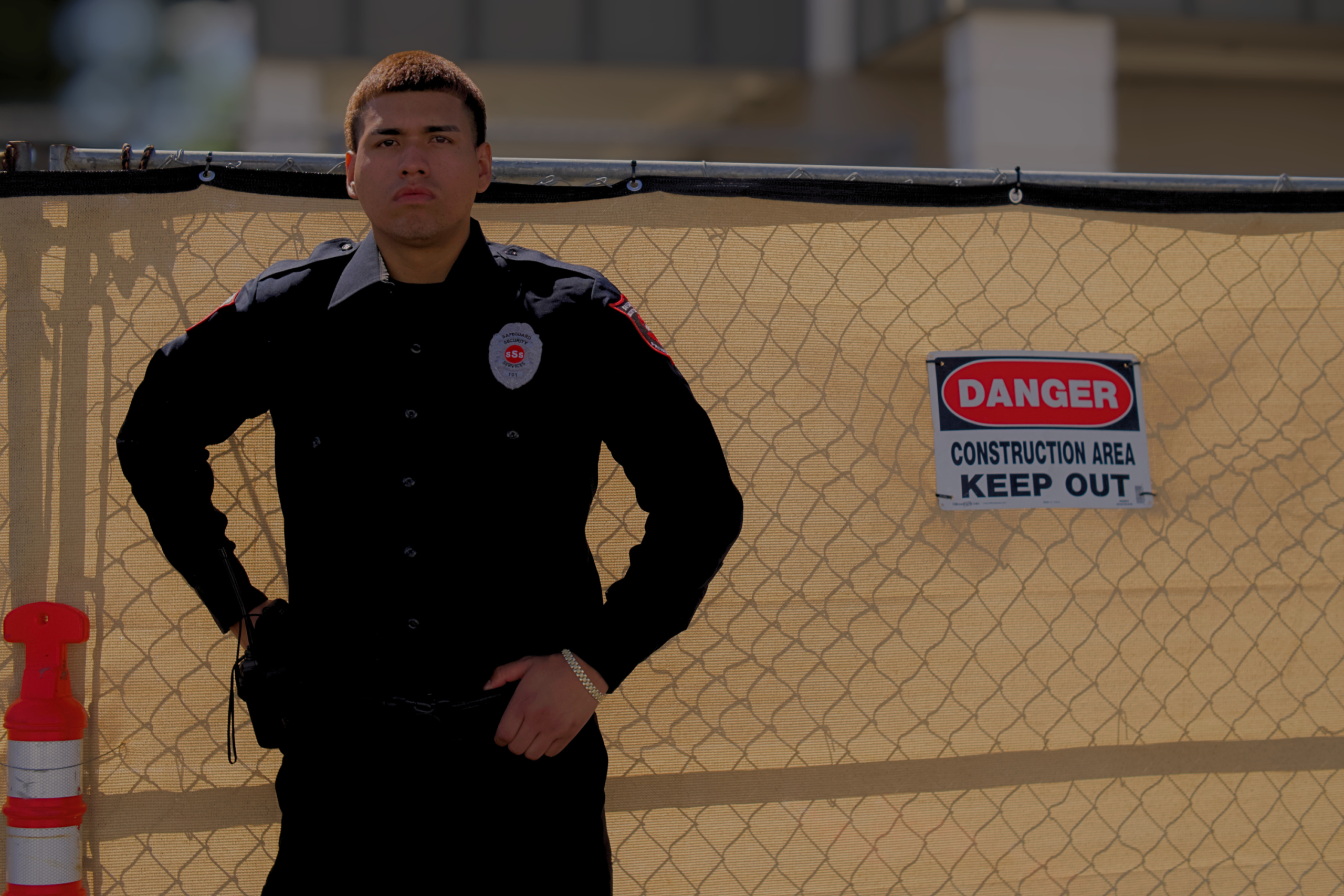
Full stack on file before the first shift.
GL, workers comp, professional liability, commercial auto, assault & battery, and umbrella — every line carries the right limits and the right endorsements before an officer steps on your post.
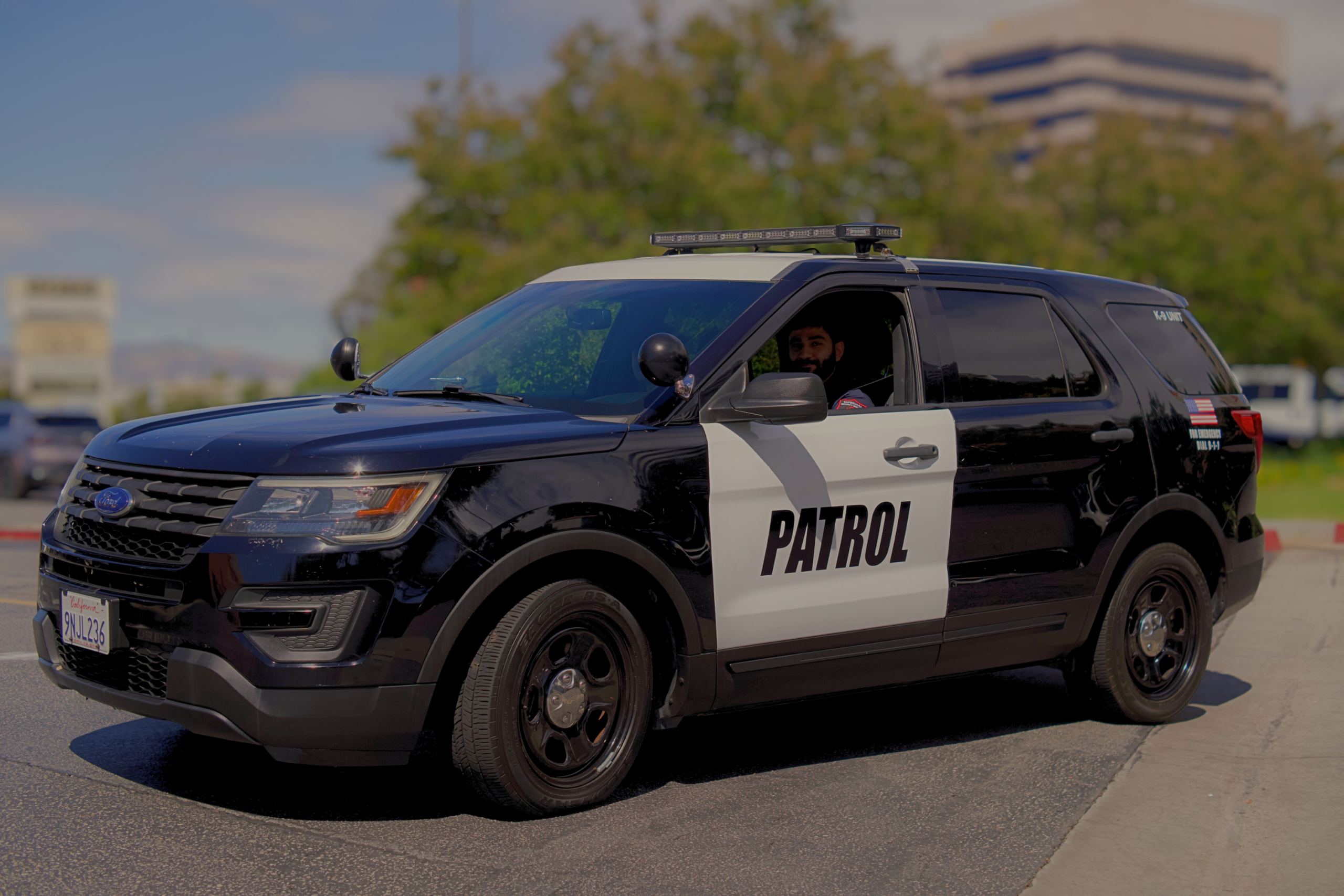
A second look at your vendor's certificate of insurance—no obligation.
Send us the COI you have on file. We'll flag missing endorsements, lapsed limits, and gaps in additional insured language before a claim ever lands.
How Security Guard Insurance Protects Property Owners and Managers
Insurance only helps you if the contract is built right. A vendor can carry $5 million in coverage and you can still pay the claim because your contract didn’t name you correctly. Risk transfer in a security guard contract comes down to three things. The additional insured endorsement. The COI. The indemnification language. This is the core of how security guards reduce liability for property owners.
Certificate Holder Only
Your name on the COI as certificate holder doesn't make you insured. You're just on the mailing list.
Additional Insured Endorsement
An ISO endorsement attached to the actual policy — that's what brings the vendor's coverage to your defense.
Waiver of Subrogation
Stops the vendor's insurer from coming back after you to recover what they paid out on the claim.
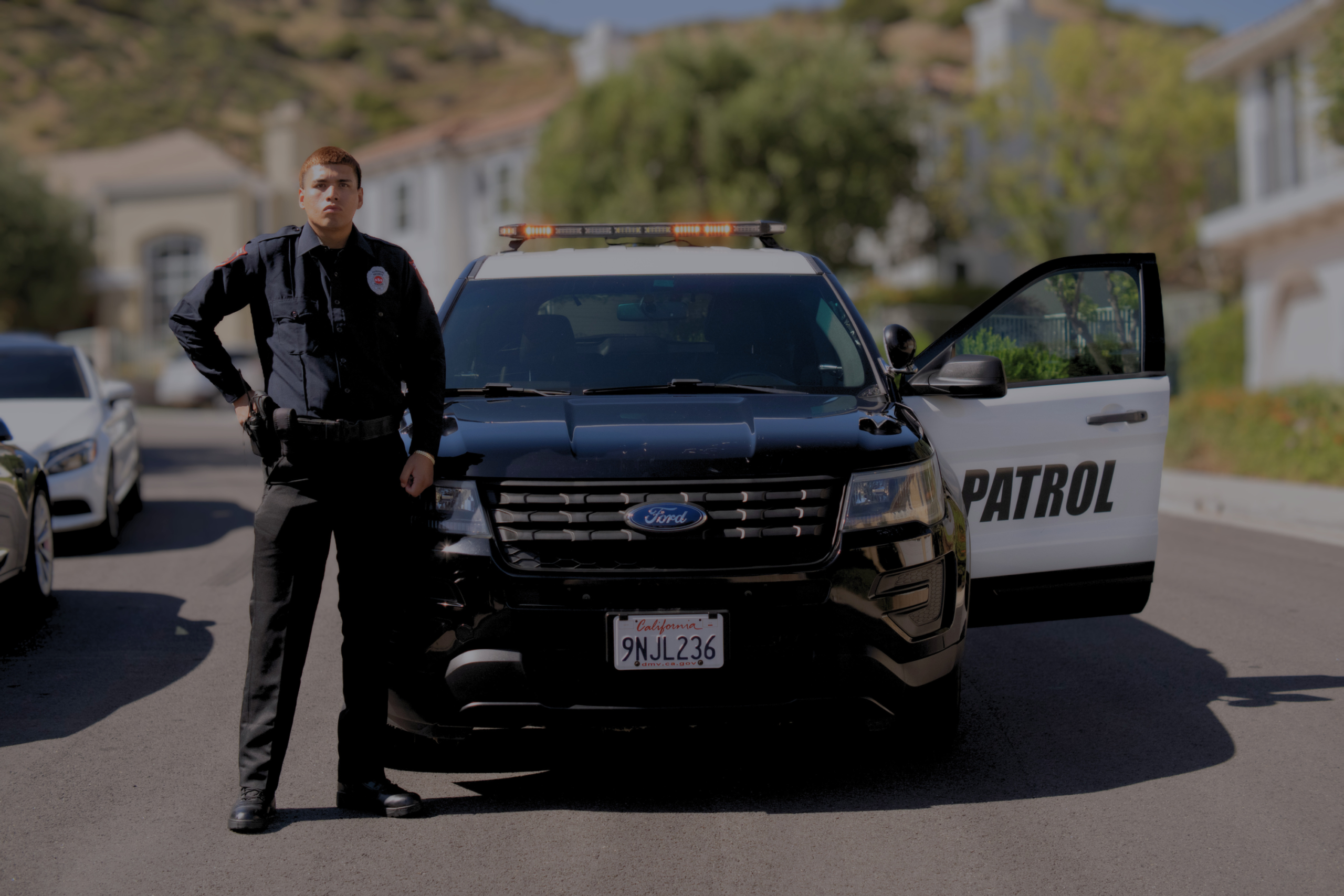
The contract is where your protection lives.
Officers, post orders, and uniforms don't move liability. The additional insured endorsement on the vendor's policy does. Get that wrong and the COI in your file means nothing when a claim lands.
Why Property Managers Must Be Named Additional Insured
Being listed on the COI as the certificate holder doesn’t make you insured. You need an additional insured endorsement on the actual policy, usually the ISO additional insured form, with standards maintained by ACORD. If that endorsement isn’t attached to the policy, the COI is just paper with your name on it.
Certificate holder versus additional insured is the most common mistake we see property managers make when reviewing a security vendor’s COI. Note that not all security companies will add you as an additional insured. Typically the additional insured is for larger business with multiple locations, property managements and construction companies.
What to Look for on the Certificate of Insurance (COI)
The COI shows up on an ACORD 25 form. Confirm the named insured matches the legal company name on the BSIS license. Check policy effective and expiration dates. Verify each line carries the limits your contract requires. Look for the additional insured endorsement, and the waiver of subrogation if you’ve asked for one.
Run this check before the first shift, then again at every policy renewal. We’ve watched vendors quietly drop coverage to cut costs and not say a word until a claim hit.
Named insured matches the legal company name printed on the BSIS PPO license — not a DBA, not a related entity.
Policy effective and expiration dates bracket the entire term of your service agreement — no mid-contract gaps.
Every coverage line carries the limits your contract requires — GL, auto, workers comp, professional liability, umbrella.
Additional insured endorsement is attached to the underlying policy, not just listed in the COI's holder field.
Waiver of subrogation is on the policy if your contract asks for one — confirm in writing, not by phone.
Indemnification Clauses and Waiver of Subrogation Explained
Indemnification shifts liability from you to the security company for claims caused by their officers. A waiver of subrogation stops the vendor’s insurer from coming back after you to recover what they paid out.
Both clauses have to match the insurance the company actually carries. A broad indemnification clause backed by thin coverage falls apart the moment a real claim hits.
Armed vs Unarmed Security Guards: Insurance and Liability Differences
Armed and unarmed officers carry different exposure, and your contract should reflect that. Armed vs unarmed security guard insurance is one of the most expensive decisions in a security contract in California.
General Liability Coverage Range
Limits scale with risk profile, not vendor preference
Armed Officers
Higher liability limits, separate firearms endorsement, and a current Exposed Firearm Permit on file for every armed officer. Underwriters review armed accounts on their own and price them higher.
Unarmed Officers
For most apartment complexes, retail centers, and office buildings, an unarmed officer with strong reporting reduces liability more than an armed officer on a site that doesn't justify it.
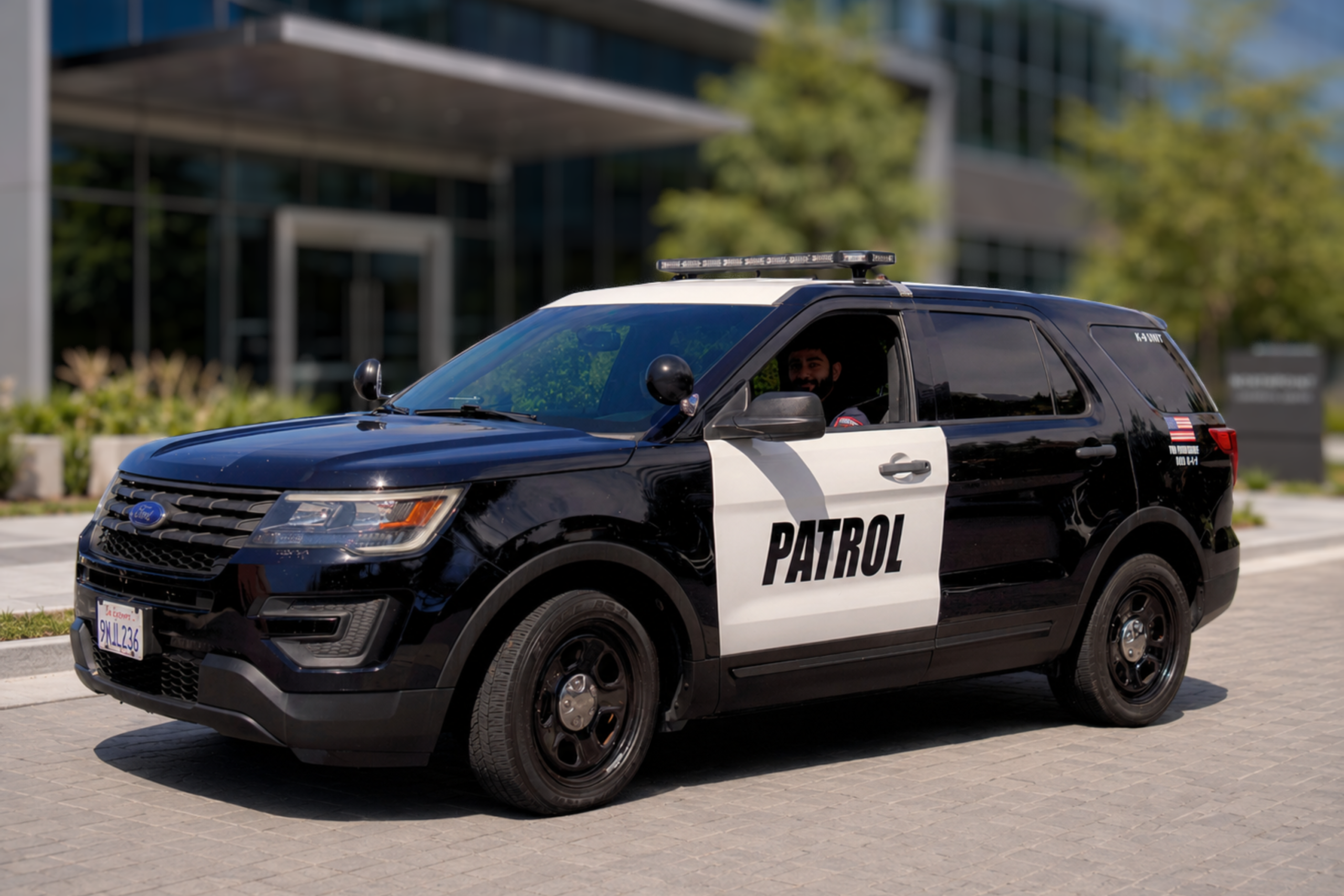
Armed isn't a default. It's a decision.
Most apartment complexes, retail centers, and office buildings reduce more liability with an unarmed officer plus strong reporting than with armed coverage that doesn't fit the actual threat profile.
Higher Liability Limits and Endorsements for Armed Guards
Armed security operations require higher liability limits, a separate firearms endorsement, and a current Exposed Firearm Permit on file for every armed officer. Most commercial armed contracts ask for $3 million in general liability with a dedicated firearms endorsement. Underwriters at the California Department of Insurance review armed accounts on their own and price them higher.
When Armed Coverage Actually Reduces Your Liability
Armed isn’t always the right call. For most apartment complexes, retail centers, and office buildings, an unarmed officer with strong reporting reduces liability more than an armed officer on a site that doesn’t justify it.
We tell clients all the time. If the threat history doesn't call for armed coverage, the higher insurance exposure outweighs the value. Match coverage to your actual risk profile, not a sales pitch.
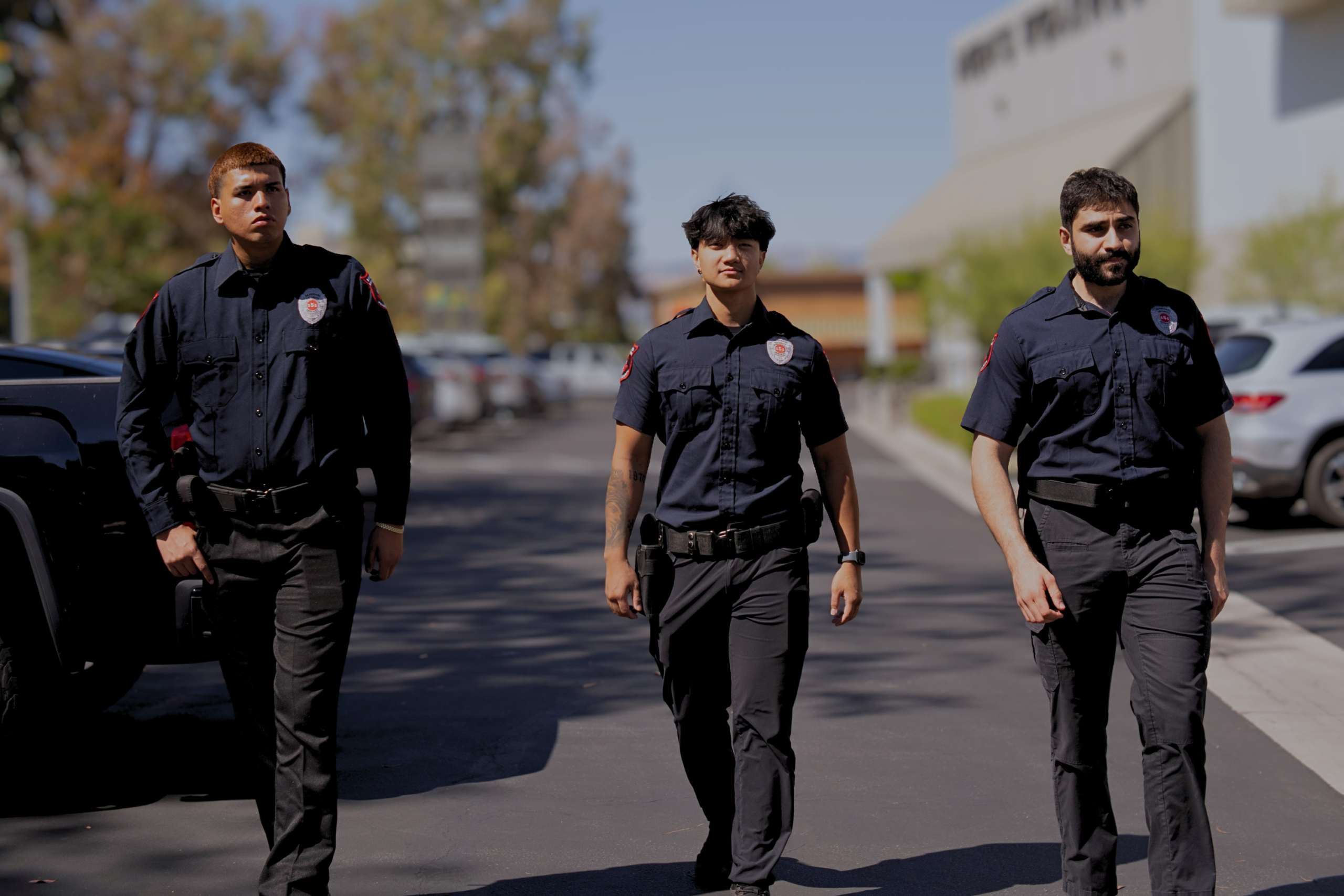
Don't pay for armed coverage your property doesn't need.
Book a free site walk. We'll review your threat history, foot traffic, and incident log — then recommend the coverage layer that fits the actual risk, not a sales template.
How to Verify a Security Guard Company's Insurance Before You Hire Them
Don’t take a sales pitch at face value. Ask for the COI before you sign. Get the BSIS license number and verify it at search.dca.ca.gov. The whole check takes 10 minutes. It saves six-figure claims later. See our full list of questions to ask before hiring a security guard.
Red Flags That Signal an Underinsured Security Vendor
Reluctance to share the COI. A certificate that names a different entity than the company you’re contracting with. A policy from a non-admitted carrier with no California presence. Quotes well below market, which usually means the vendor cut limits to win the bid. Cheap security guard insurance is a warning sign, not a savings.
Won't share the COI
Reluctance to provide the certificate before signing is the first warning sign.
Mismatched entity name
COI names a different company than the one you're contracting with.
Non-admitted carrier
Policy from a carrier with no California presence — limited recourse if a claim hits.
Below-market quote
Pricing well below market usually means the vendor cut limits to win the bid.
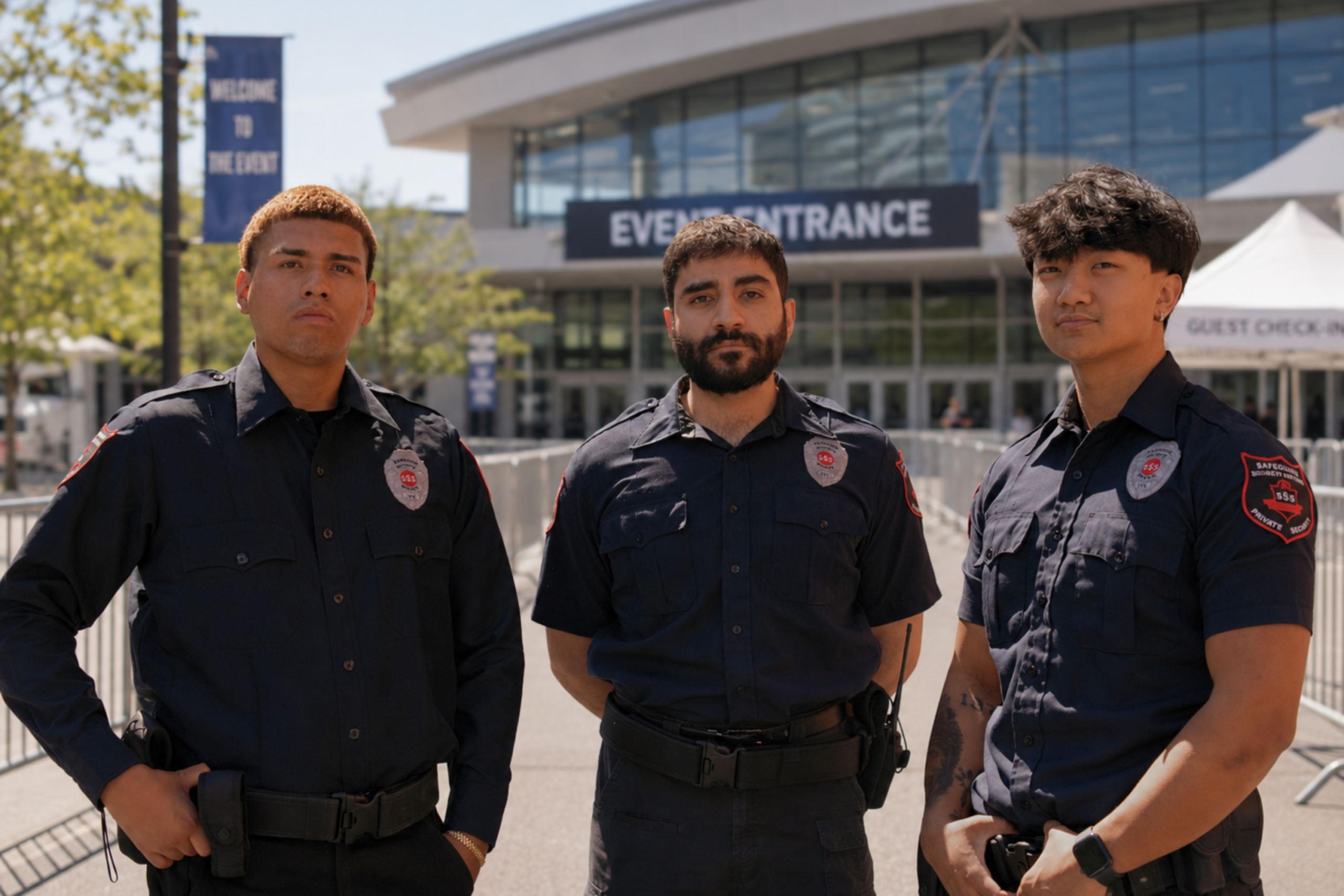
Ten minutes before you sign saves six figures later.
Pull the BSIS license. Verify at search.dca.ca.gov. Request the COI. Match the named insured to the legal entity on the license. If anything is off, pause the deal.
Liability Exposure When You Hire an Uninsured or Unlicensed Guard
If an unlicensed or uninsured security officer is on your property when something goes wrong, premises liability claims flow directly to you. Vicarious liability rules don’t bail you out when the vendor has no coverage to share.
This is one of the worst places to be in a negligent security claim. The plaintiff’s attorney follows the money. If the vendor has none, that means you.
Want to Compare Your Current Vendor Against What Your Contract Actually Requires?
Safeguard Security Services Inc. operates under California PPO License #122311. We carry every coverage line described above. Ask for our sample Certificate of Insurance and we’ll send it for review before you sign anything. Read more about why property owners choose Safeguard.
Insurance is what covers a claim once it lands. Supervision is what keeps claims from landing. Our work runs on three layers. GPS-verified Silvertrac reporting. Live 24/7 dispatch monitoring. Random field supervisor visits.
Call (877) 766-5499 or email info@safeguardpss.com to schedule a free site walk. We won’t push armed coverage on a property that doesn’t need it.