Hospital Security Services for Healthcare Facilities
Healthcare Security Services Built for Patient Environments
Hospital security services from Safeguard Security Services Inc. place BSIS-registered officers at medical office buildings, clinics, urgent care centers and hospital campuses in Southern California. Safeguard is licensed and insured, holding California PPO #122311. Healthcare security services on this page mean people, not alarm panels or camera subscriptions. Officers stand where patients, visitors and staff come and go, and they write down what happens on each shift.
Healthcare settings call for a calm, courteous presence. Hospital security guard services are built around the facility’s rules. Written post orders set where officers stand, who they call and which areas stay off limits. Security for hospitals and clinics can be a single lobby post, a few overnight hours or round-the-clock coverage. Whether a facility needs on-site officers depends on its size, hours, patient mix and past incidents. A site walk can help a manager choose between a single evening post and full-time coverage.
Security Pressures on Healthcare Facilities
Healthcare staff can face aggressive behavior from patients and visitors, and emergency departments can turn tense quickly. Clinics and medical plazas have their own pressures. After-hours access, people sleeping in stairwells, car break-ins and upset visitors at the front desk are common concerns. Pharmacies and records rooms add another layer because of what they hold. A visible officer gives staff someone to call before a situation grows.
Why Healthcare Facilities Choose Safeguard
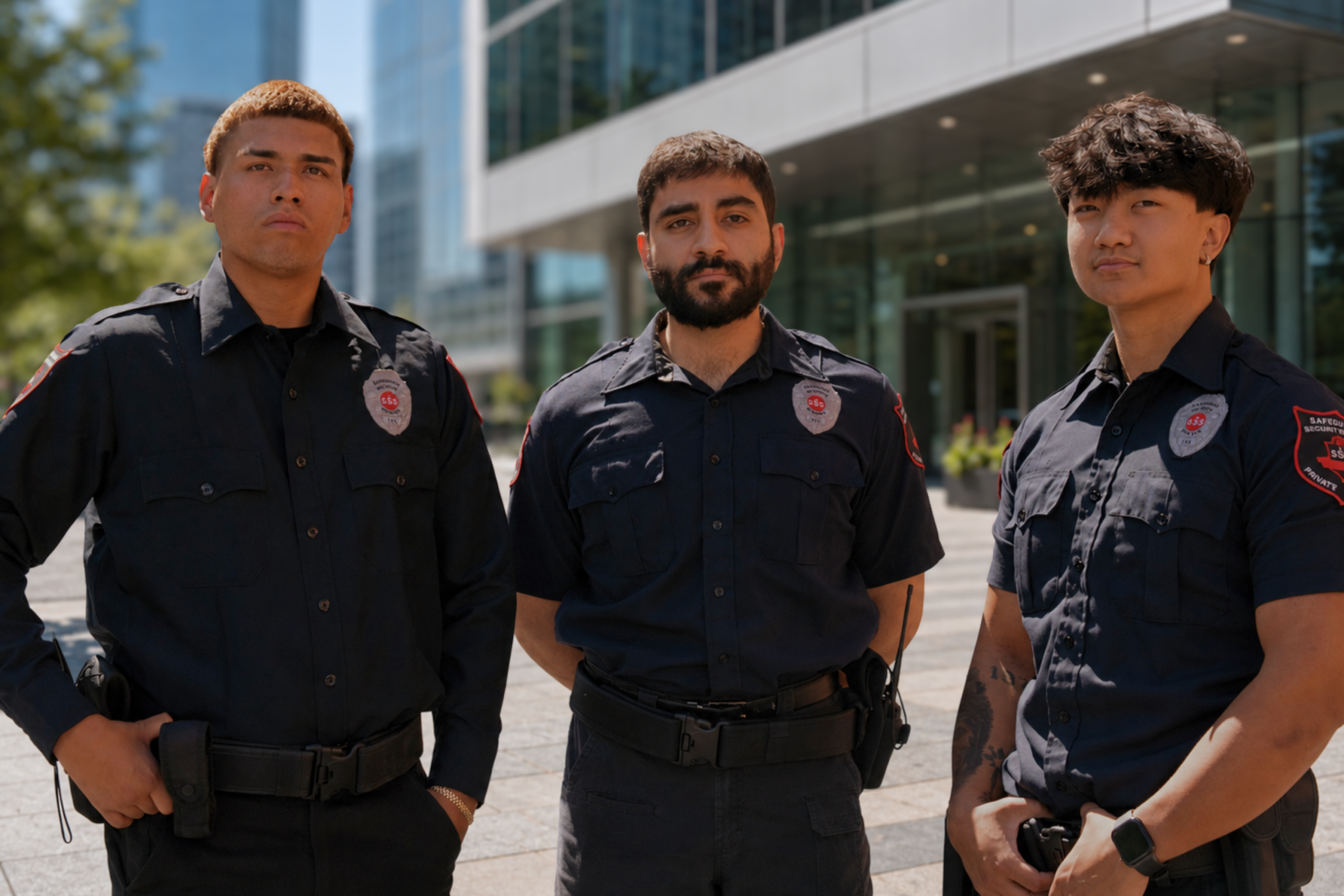
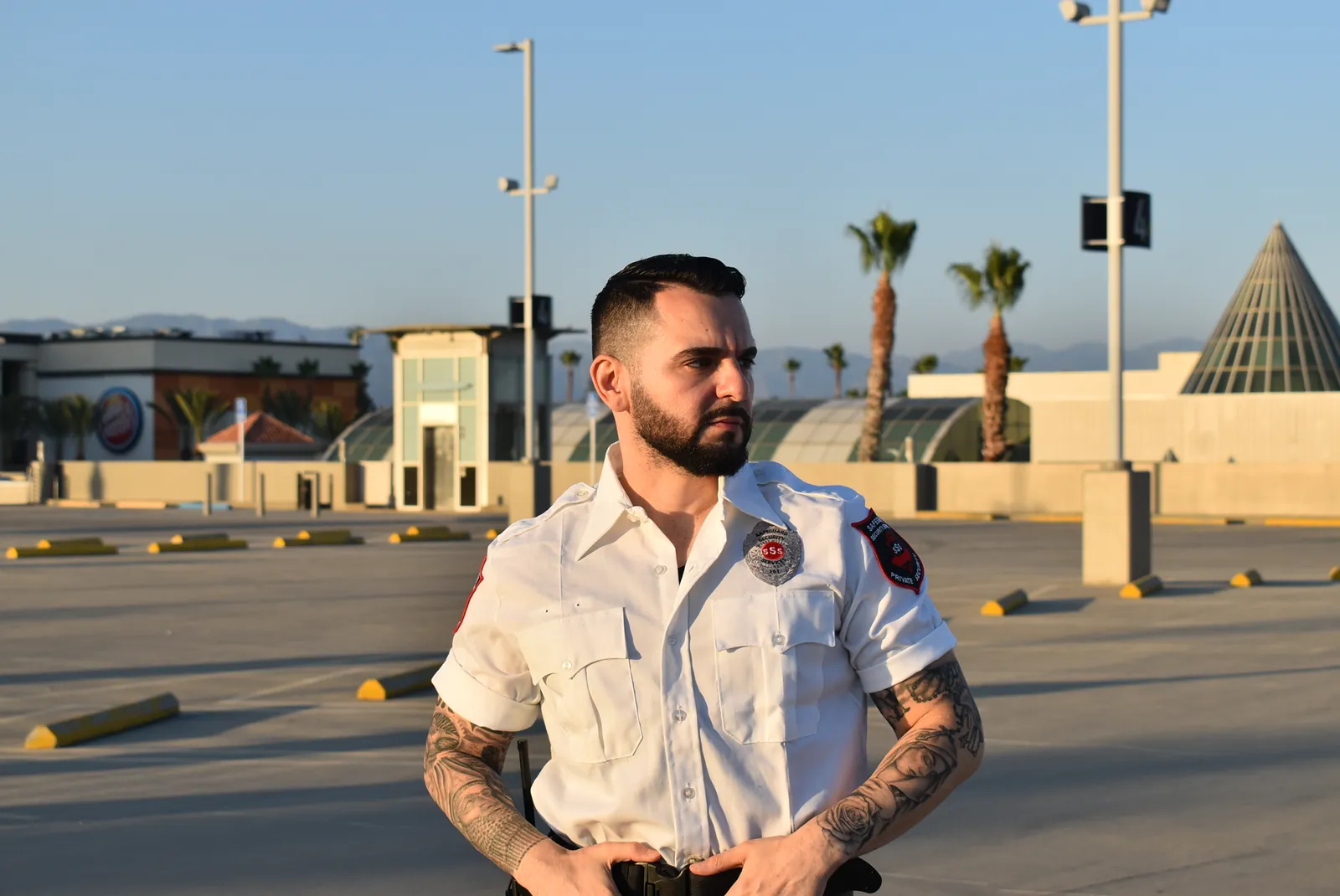
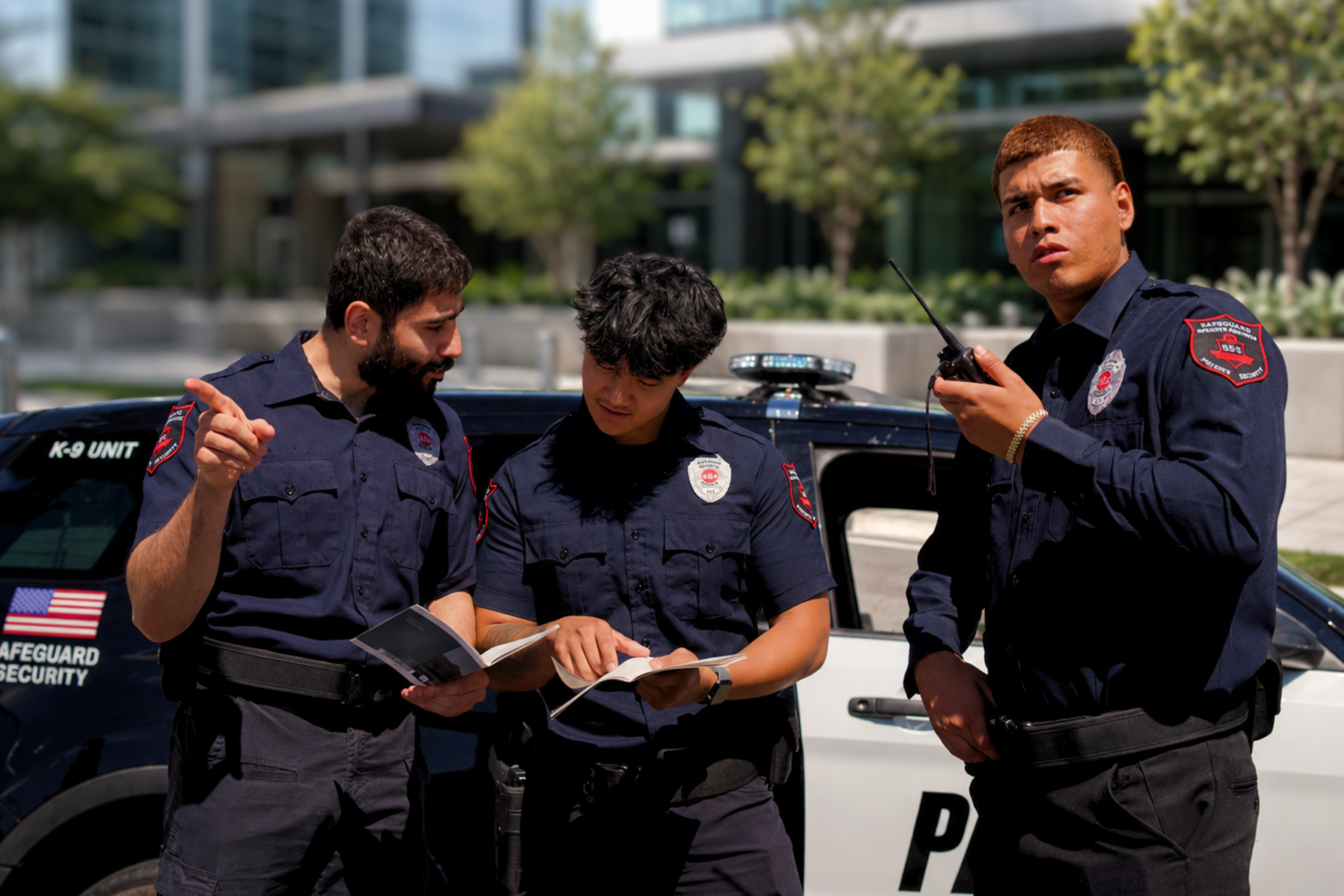
Safeguard officers hold BSIS registrations, and registration requires a state background check. Field supervisors visit healthcare posts in person and write up each visit. Facilities can be named as additional insured on the policy. Safeguard aims to give each facility or portfolio a single account manager who knows the site.
Google Reviews
"Outstanding service. Guards well-trained, attentive, truly care about the properties they protect."
"Excellent service from day one. Our property is secure and we have complete peace of mind."
"Safeguard Security has amazing service. Guards are polite, productive, efficient and trustworthy."
"Outstanding service. Guards well-trained, attentive, truly care about the properties they protect."
"Excellent service from day one. Our property is secure and we have complete peace of mind."
"Safeguard Security has amazing service. Guards are polite, productive, efficient and trustworthy."
"Outstanding service. Guards well-trained, attentive, truly care about the properties they protect."
"Excellent service from day one. Our property is secure and we have complete peace of mind."
"Safeguard Security has amazing service. Guards are polite, productive, efficient and trustworthy."
"Outstanding service. Guards well-trained, attentive, truly care about the properties they protect."
"Excellent service from day one. Our property is secure and we have complete peace of mind."
"Safeguard Security has amazing service. Guards are polite, productive, efficient and trustworthy."
Healthcare Coverage We Provide
Medical Office Buildings and Clinics
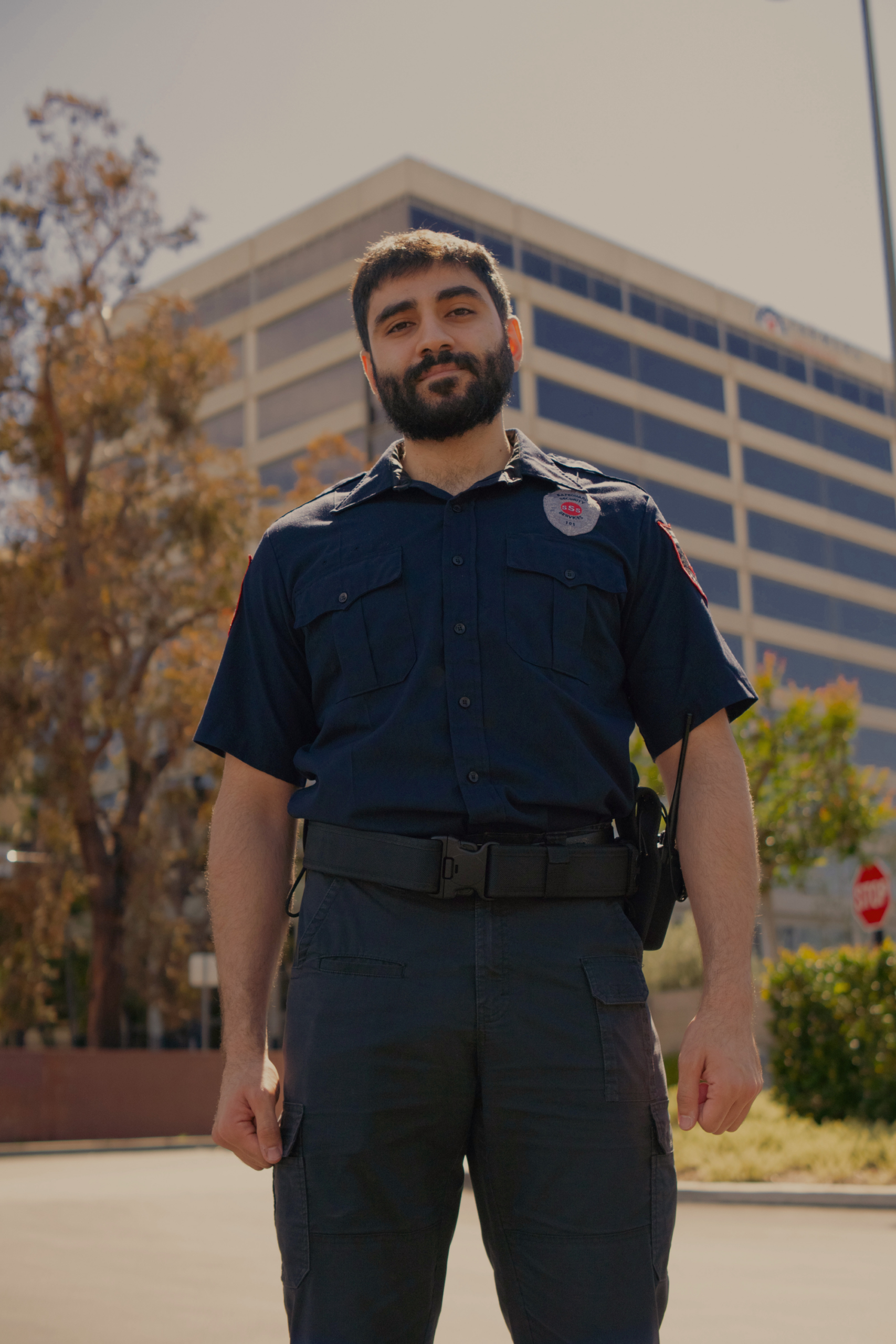
Independent medical office buildings, outpatient plazas and urgent care centers are a natural fit for hospital security services scaled to a smaller site. Medical office security can include a lobby post during clinic hours, opening and closing checks, and escorts to cars for staff who leave after dark. Clinic security can also cover suite door checks, restroom and stairwell walks, and help for visitors who are lost or upset.
Medical center security for larger campuses follows the same idea with more posts and set routes between buildings. Before the first shift, officers go through site-specific training on the building layout, tenant list and who to call in an emergency. Where a facility falls under California’s workplace-violence prevention rules, security procedures can be coordinated with the facility’s existing plan and response protocols. Assigned officers then learn the training their role requires. Property managers get one set of post orders that covers each tenant suite, and changes can be made as tenants move in or out.
Medical office buildings often mix tenants with different hours. A dental office may close at five while an urgent care stays open late. Post orders can list each suite’s hours, which doors stay locked and who may enter after closing. Officers can also watch for people who wander between suites or linger in hallways after an appointment.
Reception and Waiting-Area Presence
A waiting room officer is there to keep the room calm. Officers greet visitors, answer basic questions, watch for rising tension and call for help early. Safeguard’s training covers customer service, conduct and report writing, so interactions stay polite and get written up clearly. Front-desk staff can focus on patients while the officer handles the room and the door. If a visitor becomes aggressive, the officer’s first job is to calm things down and call for the help the post orders name. Officers can also help people who need directions, a wheelchair from the lobby or a call to a family member, within the facility’s rules. When a visitor is asked to leave, the officer records the reason so staff can follow up.
Campus Perimeter and Parking Structures
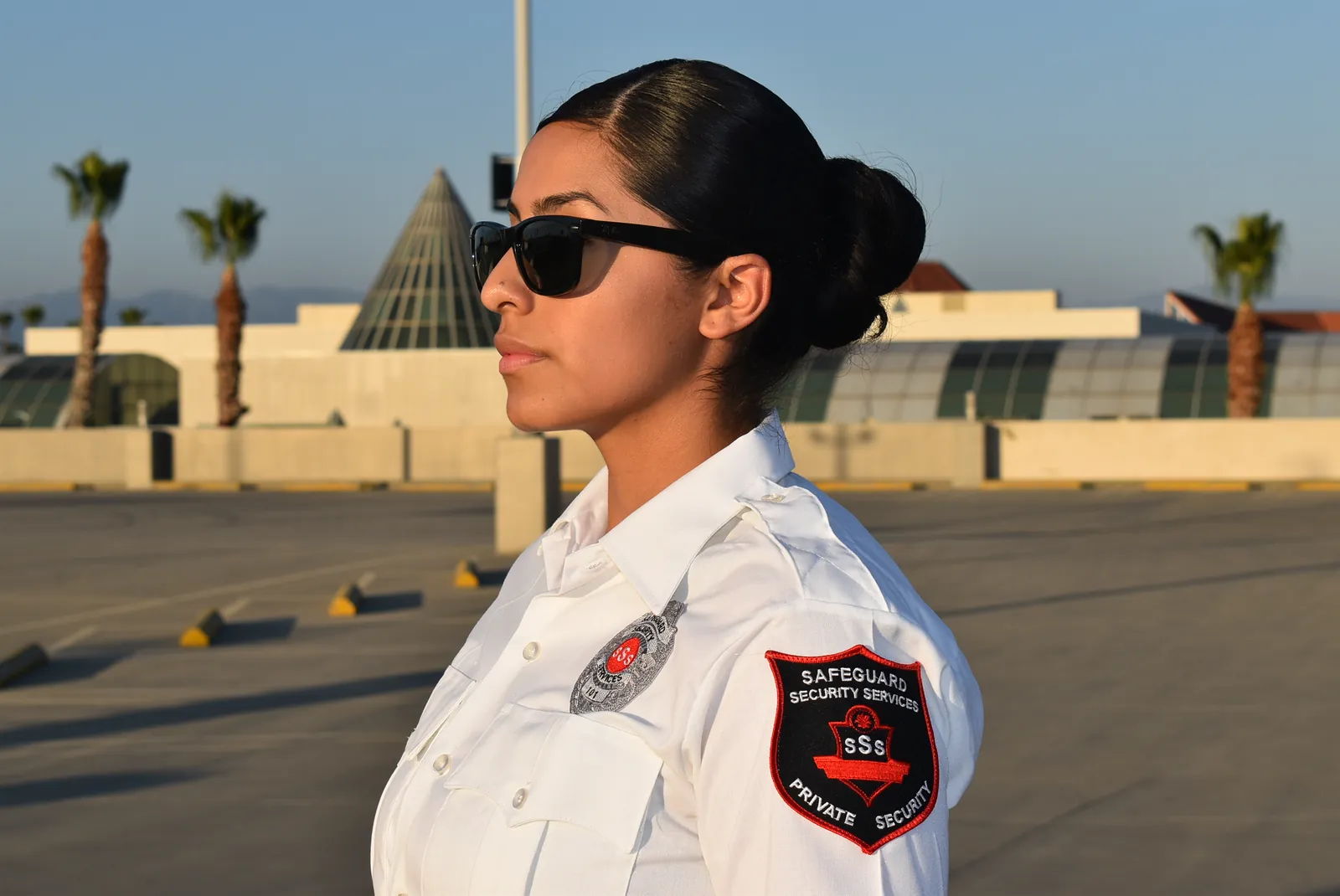
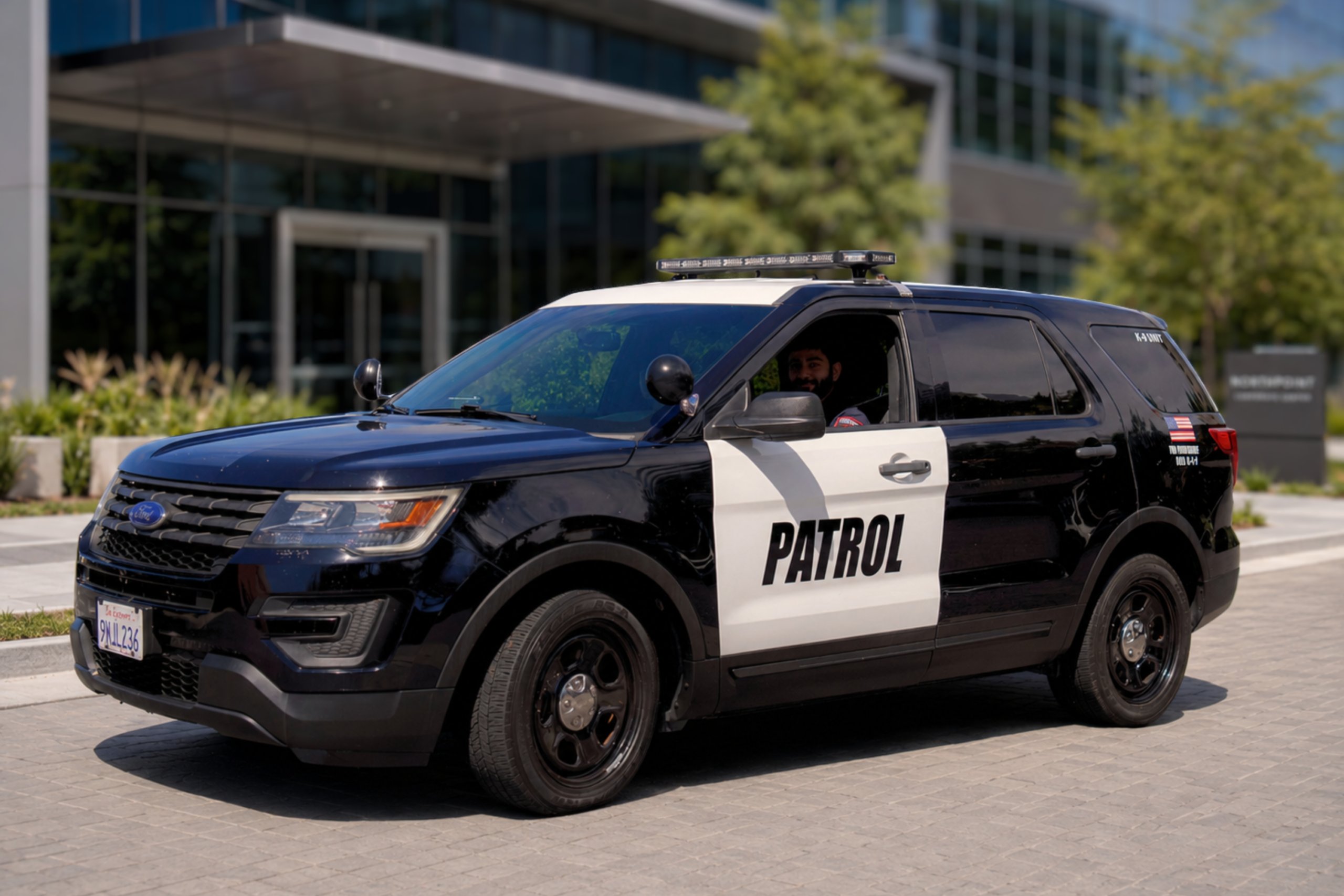
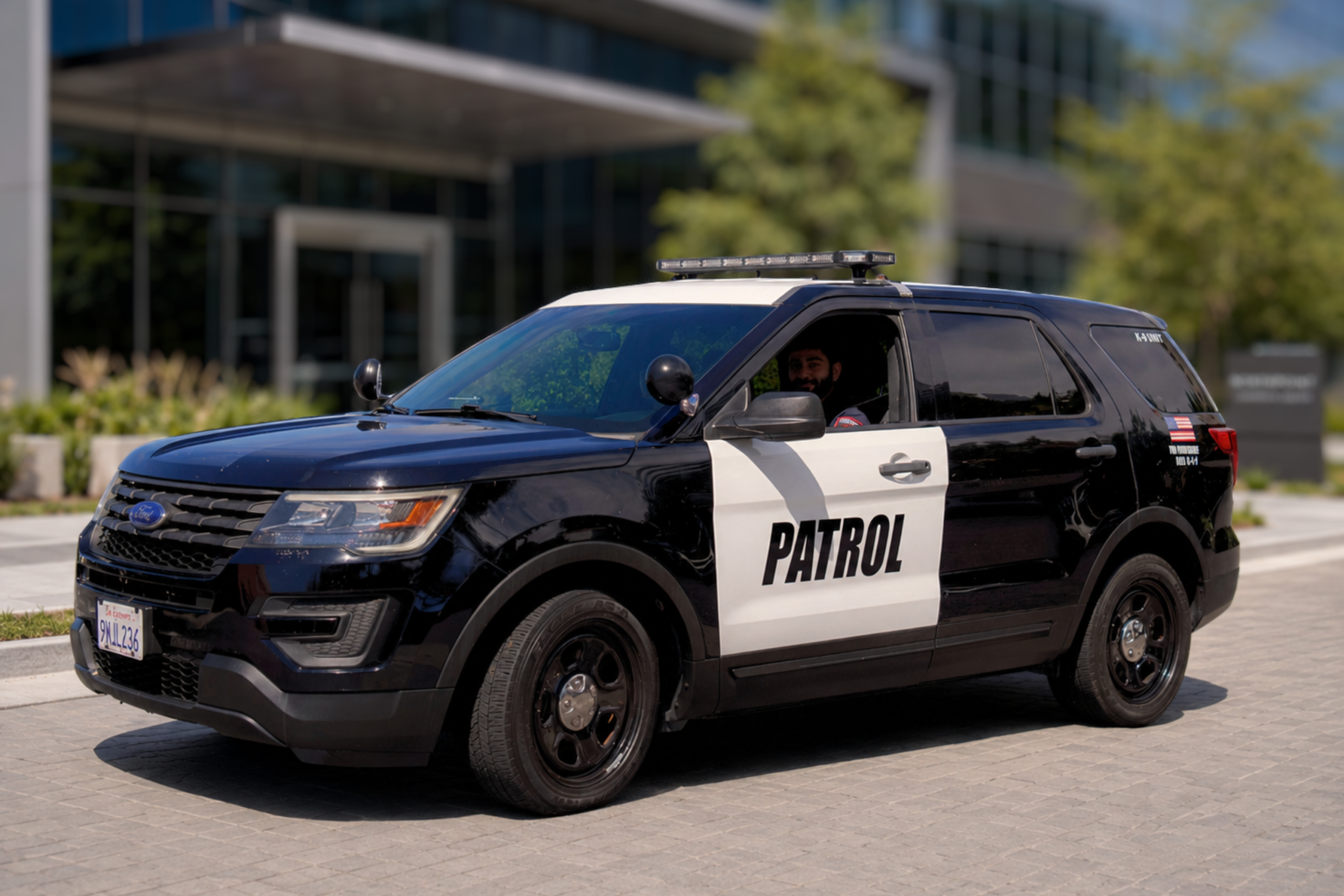
Parking structures and surface lots around a facility can see break-ins, loitering and late-night incidents. Officers can walk levels on a set schedule, check stairwells and walk staff to their vehicles. Garage coverage is explained on the garage and lot coverage page. Perimeter checks can include side doors, gates and loading areas that should stay closed after hours. Ambulance bays and delivery docks can be included as well.
After-Hours and Overnight Facility Coverage
When a medical building empties at night, hospital security services can shift to an overnight officer. That officer can lock and check doors, walk common areas and handle alarms that need someone on site. GuardOps records each checkpoint scan with the time and a GPS point. Managers can read the full round in the morning report instead of guessing what happened overnight.
Sensitive-Area Posts
Pharmacy-adjacent areas, medication storage and records rooms may need an officer close by. These posts are about watching and reporting. Officers remain outside clinical and patient-care spaces unless the assignment requires entry and the facility’s procedures, training and privacy rules allow it. Armed coverage may be considered where a site stores controlled substances or faces a documented threat, while unarmed security guards suit many other healthcare posts.
We tour entrances, parking and sensitive areas with your facility contact and draft post orders for your review.
How It Works
Phone the team at 877-766-5499, or hire a security guard through the quote form, and pick a date for a site walk.
Safeguard tours entrances, parking and sensitive areas with your facility contact and drafts post orders for review.
Officers finish site-specific training and begin coverage, with shift reports posted to the client portal.
Each checkpoint scan carries a time and GPS point, so managers see the full round in the morning report.
Areas We Serve
Hospital security services are offered across all five counties Safeguard covers: Los Angeles, Orange, Riverside, San Bernardino and Ventura. In Orange County, the medical campuses in the City of Orange are covered on the Orange security guard services page. In the San Fernando Valley, medical offices along Ventura Boulevard are covered on the Encino page. County-level pages for Orange County, Ventura County and Riverside County explain regional coverage. Clinics, dialysis centers, dental offices and surgery centers in other cities can request a site walk the same way. Coverage is planned around each building’s hours and patient flow.
Frequently Asked Questions
How Much Does Hospital or Clinic Security Cost?
The cost of hospital security services is set by a few factors. The main ones are how many officers, how many hours each week, whether posts are armed and the duties written into the post orders. Coverage is arranged in shifts of four hours or more. Each proposal includes an itemized pricing sheet, prepared after a free site walk.
Are Your Officers Trained for Patient-Facing Environments?
Officer training includes customer service and conduct, writing clear reports, and what the law allows a security officer to do. Site-specific training happens before the first shift. Officers are not clinical staff. HIPAA does not create an official certification for security officers. Officers follow the facility's privacy procedures and any privacy training it requires for the role. Those privacy rules are also written into the post orders.
Can You Cover a Medical Office Building After Hours Only?
Yes. Coverage can begin when the last suite closes and end when the building opens again. An after-hours officer can lock and check doors, walk the parking structure and note anything out of place. Weekend-only coverage is also available for buildings that close on Saturday and Sunday. Holiday closures can be added to the same schedule.
Do You Supplement In-House Hospital Security Teams?
Yes. Large hospitals often run their own security departments, and Safeguard can add officers for parking structures, overflow shifts, construction zones or campus events. Added officers work under the hospital's post orders and report through channels the security director sets. The in-house team stays in charge, and the added officers fill gaps in the schedule.