Apartment Complex Security for Multifamily Properties
A Licensed Security Company for Property Managers
Apartment complex security puts a posted officer on the property where residents live, park and use shared amenities. Safeguard Security Services Inc. makes it available to rental communities across Southern California. The company is a licensed and insured private patrol operator, PPO #122311, and its officers hold BSIS registrations.
Apartment security guards can staff a leasing-office entrance, walk the courtyards and garages, and document what happens on each shift. Apartment security services can be arranged for one garden-style complex or a regional portfolio. Multifamily security plans start with the property’s rules, the lease terms and the manager’s list of trouble spots. Apartment building security for towers is covered on the high-rise security page.
What Multifamily Properties Deal With
Rental communities see people slipping through gates behind residents, packages taken from lobbies and doorsteps, and pools used after closing. Parking disputes, abandoned vehicles and noise complaints land on the manager’s desk. Nonresidents may loiter in stairwells or laundry rooms. An officer on site can deal with these as they happen, and the morning report tells the manager what went on. Managers also field calls from residents who feel unsafe, and a written record of rounds and incidents helps with those conversations.
Why Property Managers Choose Safeguard
Managers need records they can use. Officers write incident reports that can go into the resident file or to the owner. Officers learn resident-facing courtesy, proper conduct and clear report writing, then train on the specific property before starting. Safeguard aims to give each portfolio one account manager, and a different officer can be assigned at no charge on request. Rounds also turn up repair needs, such as gates that don’t latch, burned-out lights or leaking pipes, and officers can flag them for maintenance.

Google Reviews
"Outstanding service. Guards well-trained, attentive, truly care about the properties they protect."
"Excellent service from day one. Our property is secure and we have complete peace of mind."
"Safeguard Security has amazing service. Guards are polite, productive, efficient and trustworthy."
"Outstanding service. Guards well-trained, attentive, truly care about the properties they protect."
"Excellent service from day one. Our property is secure and we have complete peace of mind."
"Safeguard Security has amazing service. Guards are polite, productive, efficient and trustworthy."
"Outstanding service. Guards well-trained, attentive, truly care about the properties they protect."
"Excellent service from day one. Our property is secure and we have complete peace of mind."
"Safeguard Security has amazing service. Guards are polite, productive, efficient and trustworthy."
"Outstanding service. Guards well-trained, attentive, truly care about the properties they protect."
"Excellent service from day one. Our property is secure and we have complete peace of mind."
"Safeguard Security has amazing service. Guards are polite, productive, efficient and trustworthy."
Multifamily Coverage We Provide

On-Site Community Officer Posts
A posted officer stays on the property for the whole shift instead of stopping by for a few minutes. That officer can greet residents, watch the main gate or lobby, and walk a set route through buildings, courtyards and parking areas. Officers can confirm the pool, gym and laundry rooms are closed on time and that vehicle gates swing shut.
Residents know there is someone on site to go to when something seems wrong. With apartment complex security built around a posted officer, managers get shift reports in GuardOps that show where the officer went and when. Coverage can run evenings, overnight, weekends or around the clock, depending on what the property needs.
A shift can start with a walk of the property and a check of gates and amenity doors. The officer also reviews notes from the last shift. During busy evening hours, the officer can stay near the main entrance, then walk courtyards, stairwells and garages on a set route. Before leaving, the officer files a report listing rounds, contacts and anything that needs repair.
Amenity, Pool and Common-Area Coverage
Pools, gyms, clubhouses and rooftop decks come with posted hours and guest limits. Officers can remind residents of those rules, ask nonresidents to leave and close amenity areas at the posted time. Each contact is noted in the shift report so management can follow up with the resident if needed. Guest limits, glass bans at the pool and age rules for the gym can all go into the post orders. Officers can close the pool at the posted time and note who was still inside.

Parking, Garage and Permit-Area Coverage
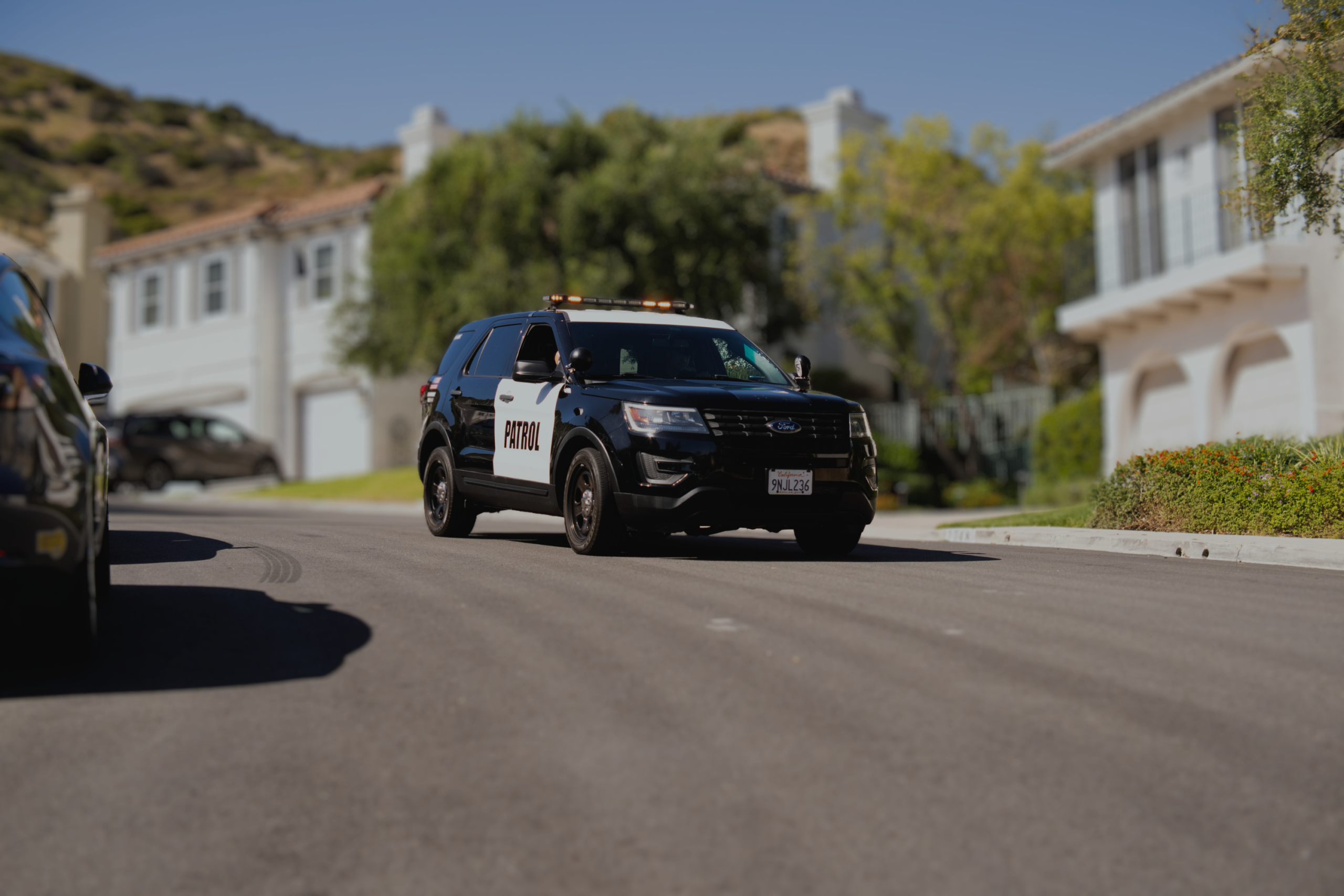
Officers can walk garages and surface lots, check permits in assigned areas and note vehicles in fire lanes or reserved spots. Towing stays with management and follows the property’s authorized process and applicable law. Garage posts get their own treatment under parking lot security services. Guest parking passes can be checked against the office list. Vehicles that look abandoned can be logged with plate numbers and dates so management can follow the property’s process.
Condo and Smaller Community Coverage
Condo security for garden-style buildings and smaller complexes can be a few evening hours or a weekend post. Residential building security at this size often means one officer covering the entrance, the lot and the common areas on a single route. Associations that run gated neighborhoods are covered on the HOA security page.


Lease-Up, Turnover and Renovation Phases
New buildings in lease-up and older ones under renovation have empty units, open doors and contractors coming and going. Officers can check vacant units on a schedule, sign in vendors and walk the building after crews leave. Active job areas can be paired with construction site security. Officers can also confirm that model units and the leasing office are locked after hours. On move-in weekends, an officer can help direct moving trucks and keep fire lanes clear.
We tour the gates, garages and amenities, then base the post orders on your community rules.
How It Works
Getting started takes three steps. The manager calls or submits a request to hire a security guard.
Safeguard then tours the gates, garages and amenities and bases the post orders on the community rules.
Once officers learn the property, coverage begins and shift reports flow into the client portal.
Incident reports land in the client portal, ready for resident files or owner updates.
Areas We Serve
Apartment complex security is offered in Los Angeles, Orange, Ventura, Riverside and San Bernardino counties. Rental-heavy areas with city pages include North Hollywood, Van Nuys, Inglewood and Encino, while the Los Angeles pillar and Orange County hub add regional coverage. Communities from a 40-unit building to a large garden-style complex can start with a property walk.
Frequently Asked Questions
How Much Does Apartment Security Cost?
Three things drive the price of apartment complex security: hours covered, officers posted and the duties assigned. Shifts last at least four hours. Managers receive an itemized pricing sheet once the free property walk is done. Coverage can be adjusted as occupancy changes. Properties with several buildings, gates or garages may need more than one officer at busy times.
Is This the Same as a Courtesy Patrol?
No. A courtesy patrol is a car that stops by a few times a night. This service places an officer on the property for the full shift, walking the grounds and staying available to residents. Posted coverage gives the property a steady presence and a complete shift record. Some properties combine a posted officer at night with daytime management on site. Properties can start with evening and weekend posts and adjust the schedule from there.
Can Officers Enforce Pool Hours and Community Rules?
Officers can remind residents of posted rules, ask nonresidents to leave amenity areas and report violations to management, as the post orders direct. Private security officers do not have police powers. Lease enforcement, fines and towing remain management decisions. Officers write down each contact so management has the facts if a resident disputes it.
Do You Provide Incident Reports Our Management Company Can File?
Yes. Officers write incident reports with the time, location, people involved and actions taken. Reports are available through the client portal, and managers can attach them to resident files or send them to owners. Apartment complex security reports follow the format the post orders set. Serious incidents can be reported to the manager during the same shift.