Safeguard Security Services

Commercial Property Security Failures

Common Security Guard Failures at Commercial Properties in California

START SECURITY SERVICES TODAY
PPO 122311
BSIS Licensed
Operating Since 2015
Southern California
Silvertrac on Every Shift

A security guard failure usually starts long before the incident report gets written. The guard signed in. The shift covered the right hours on paper. But somewhere between the front desk and the rear loading bay, coverage went sideways.


We’ve taken over enough commercial contracts in California to know how this looks from the inside. Post orders three years out of date. Guards parked in their cars from midnight to dawn. CCTV systems were pointed at the wrong corners by an installer who never walked the property at night.


This page lays out the security guard failures that show up most often at commercial properties: office buildings, warehouses, medical offices, HOAs, banks, and retail centers. The same problems repeat across property types and across cities, from Burbank to Long Beach.

When a security guard company can’t tell you what time their last checkpoint was logged, the failure already happened. You’re just waiting on the proof.

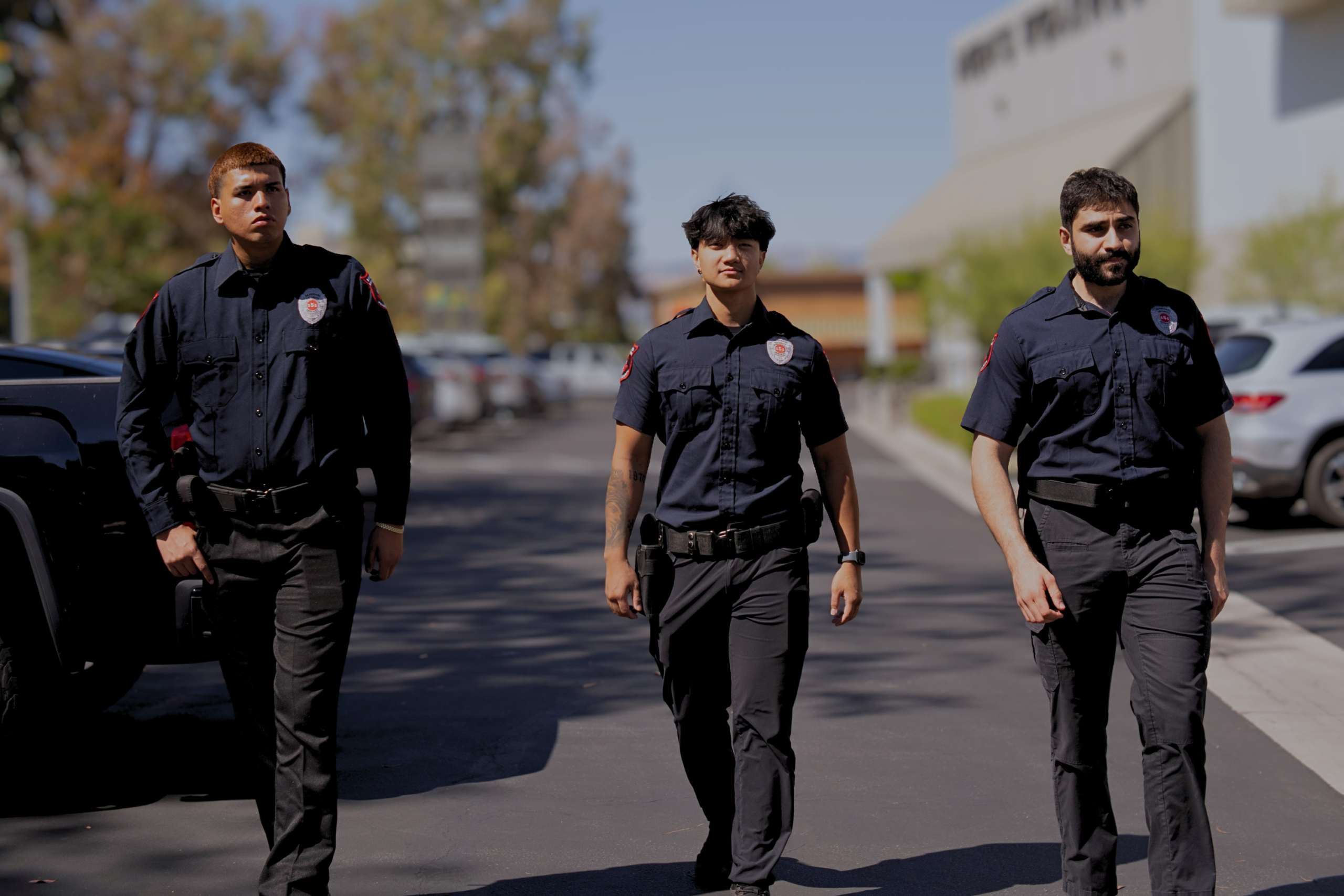
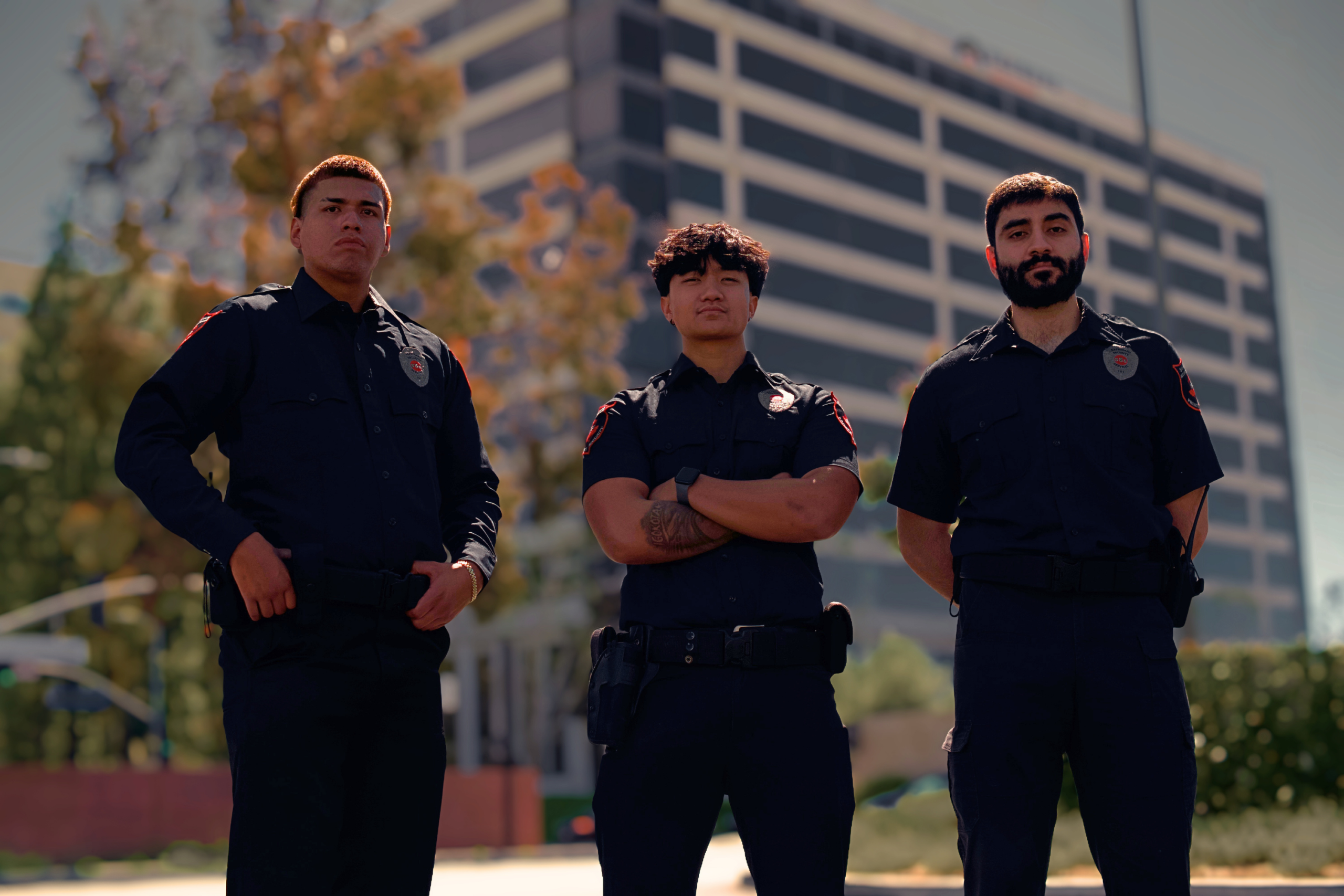
Commercial property security guard preventing failures at California loading dock at night Security guard failures prevented by patrolling officer at California commercial property Common security guard failures at California commercial property prevented by uniformed officer
What Counts

What Counts as a Security Guard Failure on a Commercial Property

A guard sleeping on duty is the cartoon version. Real security guard failures are quieter. They look like full coverage from outside the building, and like nothing from inside it.


Late shift starts. Patrols that skip the harder routes. Post orders the guard has never read. Reports written from memory in the last ten minutes of a shift. Vendors waved past the desk without an ID check. Each one becomes a commercial property security vulnerability the day an incident lands in your log.

Common quiet failures we find on takeover

Late shift starts

Patrols that skip the harder routes

Post orders the guard has never read

Reports written from memory at the end of the shift

Vendors waved past the desk without an ID check

No supervisor check-ins or monthly evaluations

A lot of the security guard failure comes from the lack of proper management. The security guard gets hired and stationed at a post and that’s it. No supervisor check ins, no monthly evaluations, no accountability. Even great security guards start becoming lazy and skipping patrols and reports when there’s a lack of leadership.

Access Control

Physical Access Failures and Unauthorized Entry at Commercial Buildings

Unauthorized access is the biggest issue when it comes to security failure. If the guard isn’t paying attention and an unauthorized person has access to the inside, security cameras and alarm systems won’t be able to save your property. The three patterns we’ve recognized are:

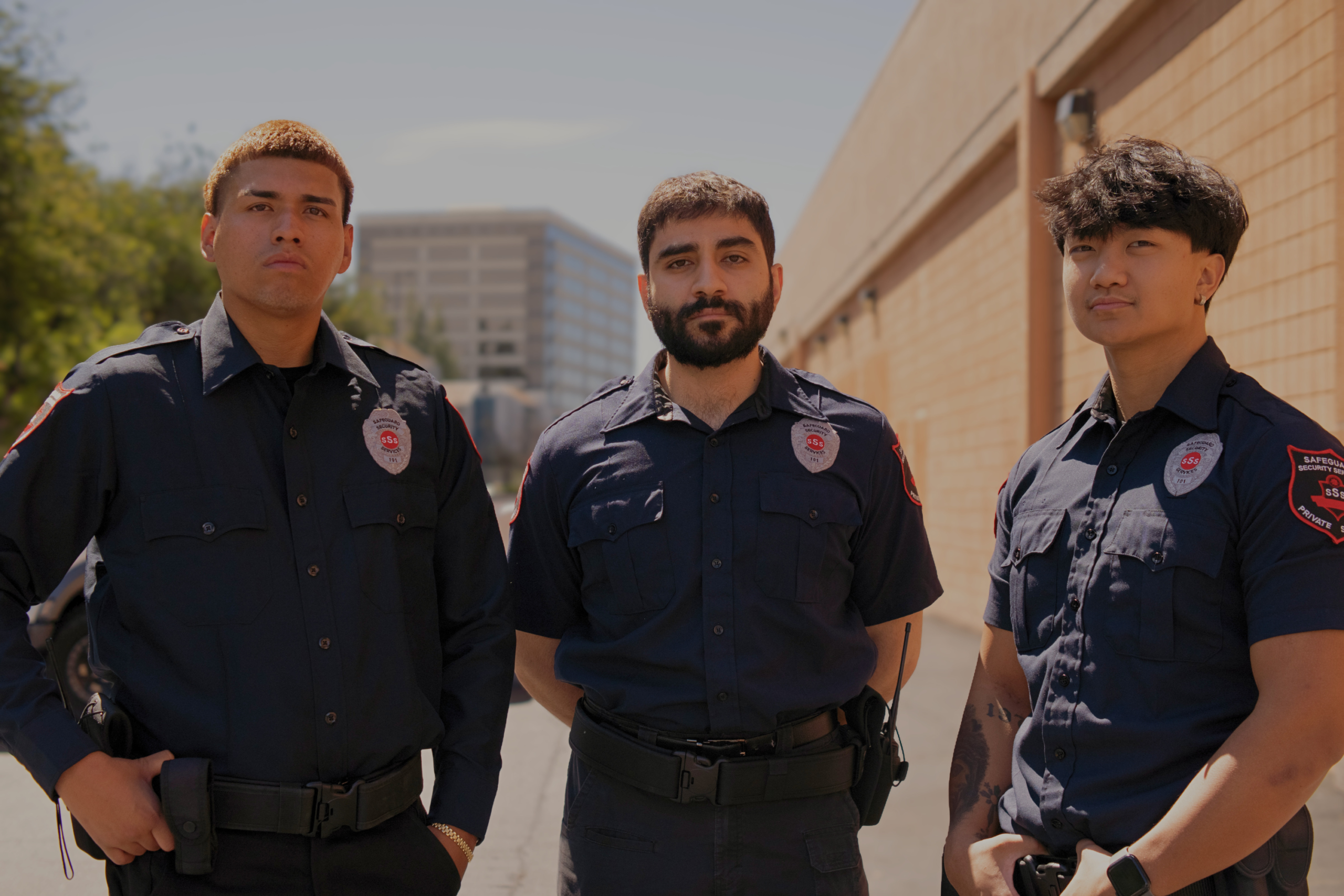
Security guard failures at commercial property access control checkpoint preventing tailgating in California
Pattern 01

Tailgating, Piggybacking, and Visitor Verification Failures

Tailgating and piggybacking is common in HOAs, gated warehouses, apartment buildings and commercial buildings. It usually happens because the access control guards aren't properly trained to stop it. For example, what happens if someone does tailgate and gain access to inside the community? Does the guard leave the gate or stays. There must be protocols for each scenario and how it should be handled.

Visitor verification fails on the boring middle: sign-in sheet, no photo ID check, no call up to the host, no temporary badge. When post orders skip the verification steps, the guard improvises, and improvised security is its own category of security guard failure. Just because a vendor comes in everyday, doesn't mean the guard should stop checking their ID at the front. What happens if the vendor is fired and they want to go to the house/business with the intent to harm the person there? Checking and documenting everything is what prevent these types of security failures.
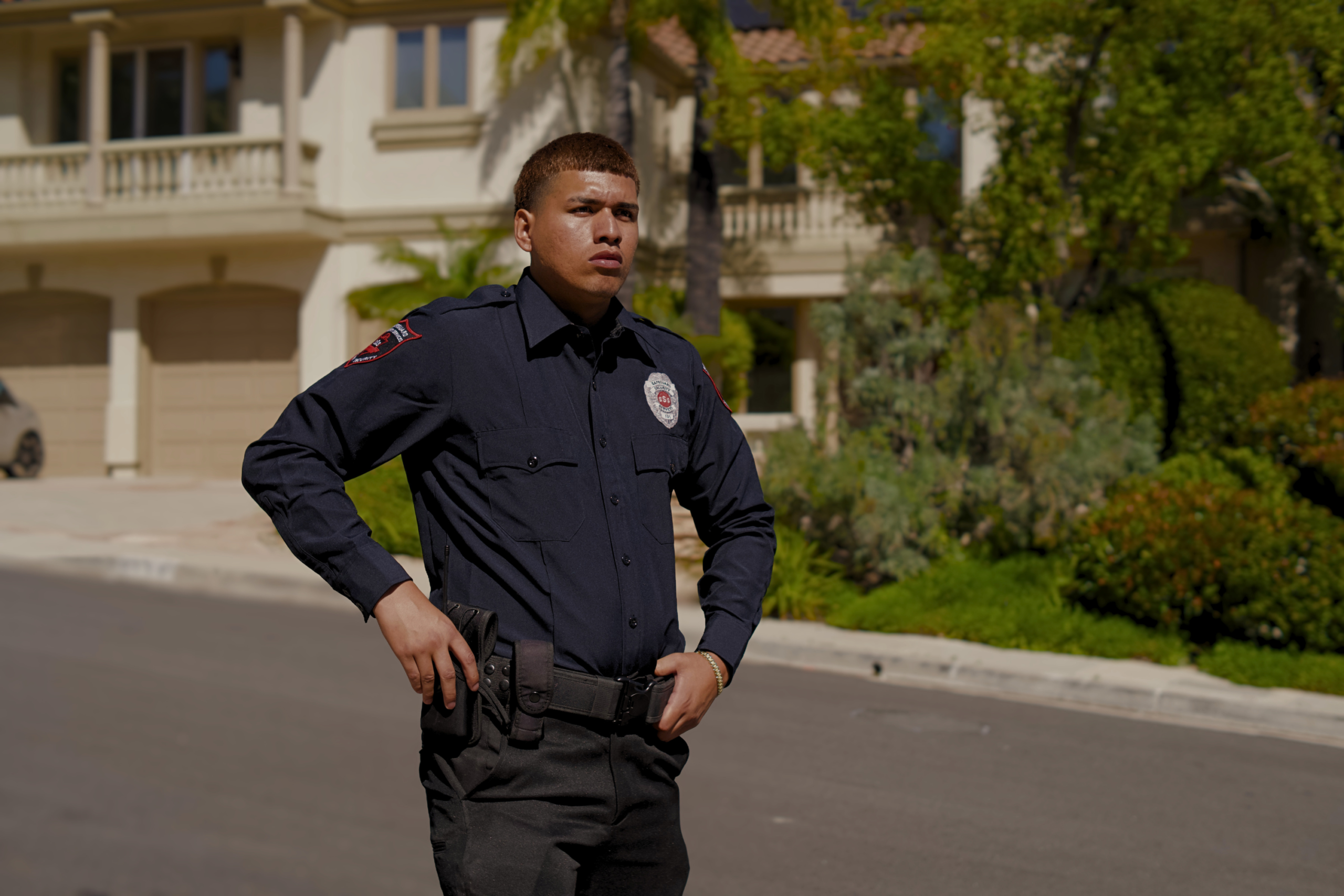
Safeguard officers patrolling back doors and loading docks to prevent common security guard failures at California commercial property
Pattern 02

Unsecured Back Doors, Loading Docks, and Emergency Exits

Front doors get the attention. Back doors get the break-ins.

While front doors are important, back doors are just as important when it comes to security. For example, one of our guards inspected a loading dock in Los Angeles that had the back doors open for months. The door was supposed to stay closed. The warehouse manager told us the previous security didn't catch the unlocked door and the door staying open is a huge liability and security risk.

Another client we have had their emergency exit doors locked. During our walkthrough we noticed it and let them know. A locked emergency exit can become a lawsuit very easily.

There are things that our guards and managers notice and point out during patrols and walk throughs. A patrol that only covers the parking lot and the lobby is a patrol missing the routes thieves actually use.
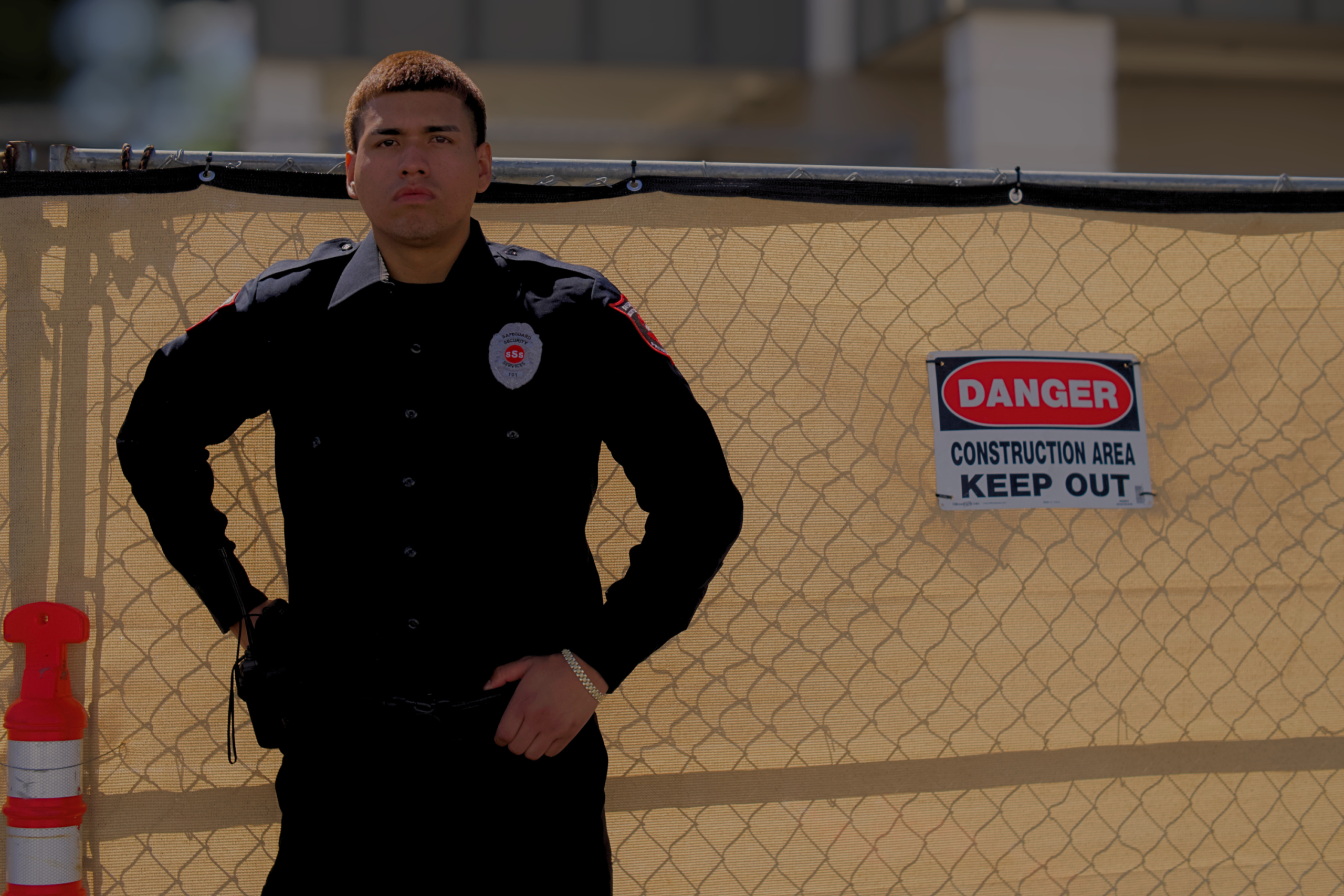
Outdated access control causing security guard failures at California commercial property
Pattern 03

Outdated Access Control and Former Employee Credentials

Key cards keep working after the person stops showing up to work. On a Van Nuys property last year, we looked at the access control system and found about 10 percent of active credentials still tied to ex-employees, terminated tenants, and contractors who'd finished jobs two years earlier.

The reason it sits broken is jurisdictional. The property manager assumes the alarm vendor revokes credentials. The alarm vendor assumes the property manager does. Both are wrong, and the building pays.
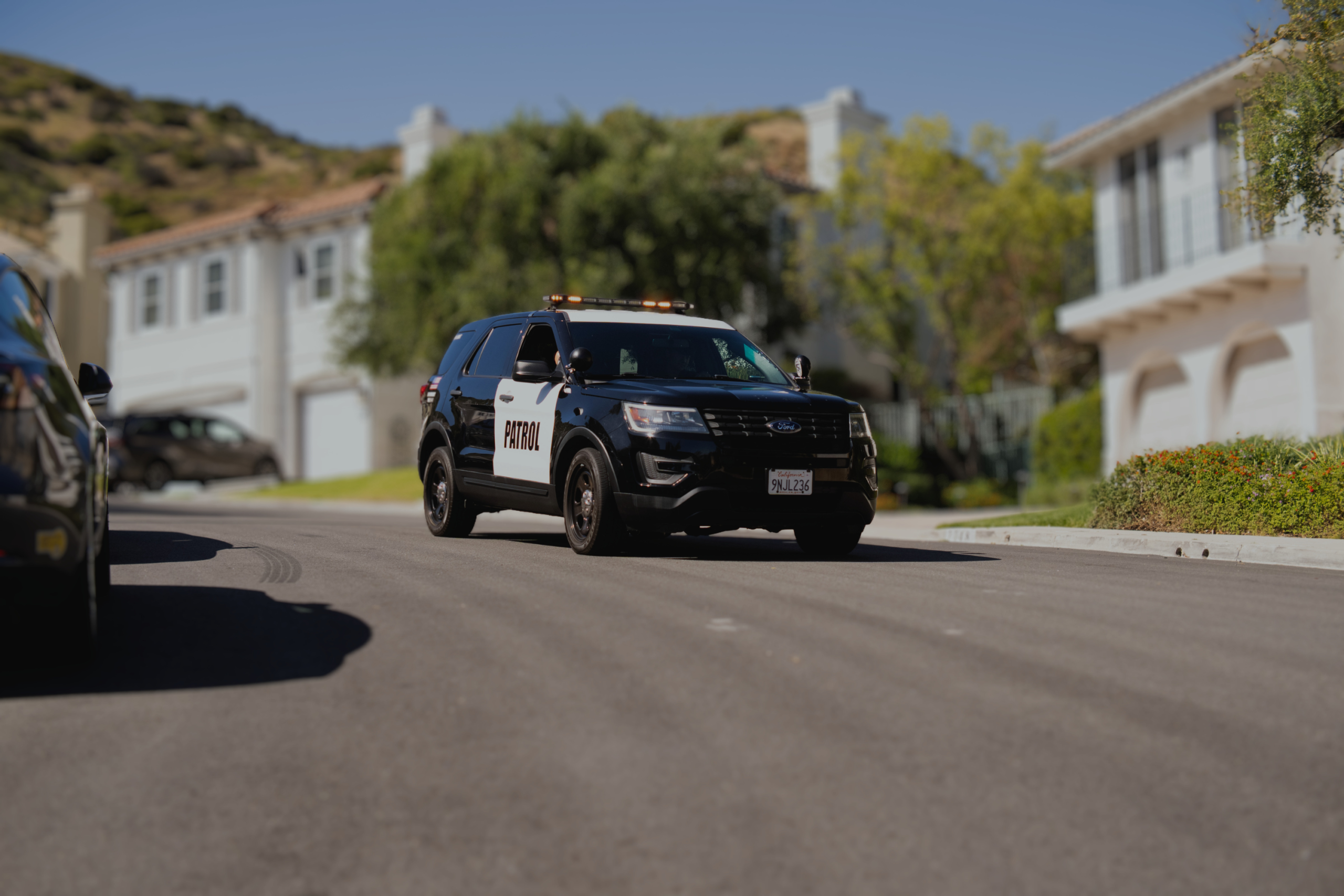
Security guard failures at commercial property prevented by Safeguard officer in California
Free Commercial Site Walkthrough

Find the security guard failures on your property before the next incident does.

We walk your building at the hours your guard would be working, map blind spots, access points, and after-hours risk windows. No sales pressure, no obligation.
Surveillance Gaps

Surveillance, Camera, and Alarm Failures at Commercial Properties

Cameras give buildings a false sense of safety. Most commercial CCTV systems get installed once, pointed wherever the installer felt like, and never reviewed against actual patrol routes.

Commercial CCTV camera blind spots causing security guard failures at California property
Camera Coverage

Camera Blind Spots, Poor Placement, and Outdated Commercial CCTV

Blind spots in a commercial CCTV system are rarely accidents. They're the result of a daylight install on a building that gets robbed at night. The installer points cameras where the cabling is easy, not where the risk is highest. Loading docks end up shot at unusable angles. Stairwells get nothing. Street facing cameras lose two hours every morning to sunrise glare.

When we deploy a guard to a commercial property, we make sure they know where the blind spots are, and which areas have less camera coverage than others. When it comes to property damages and security breaches, every single blind spot matters.
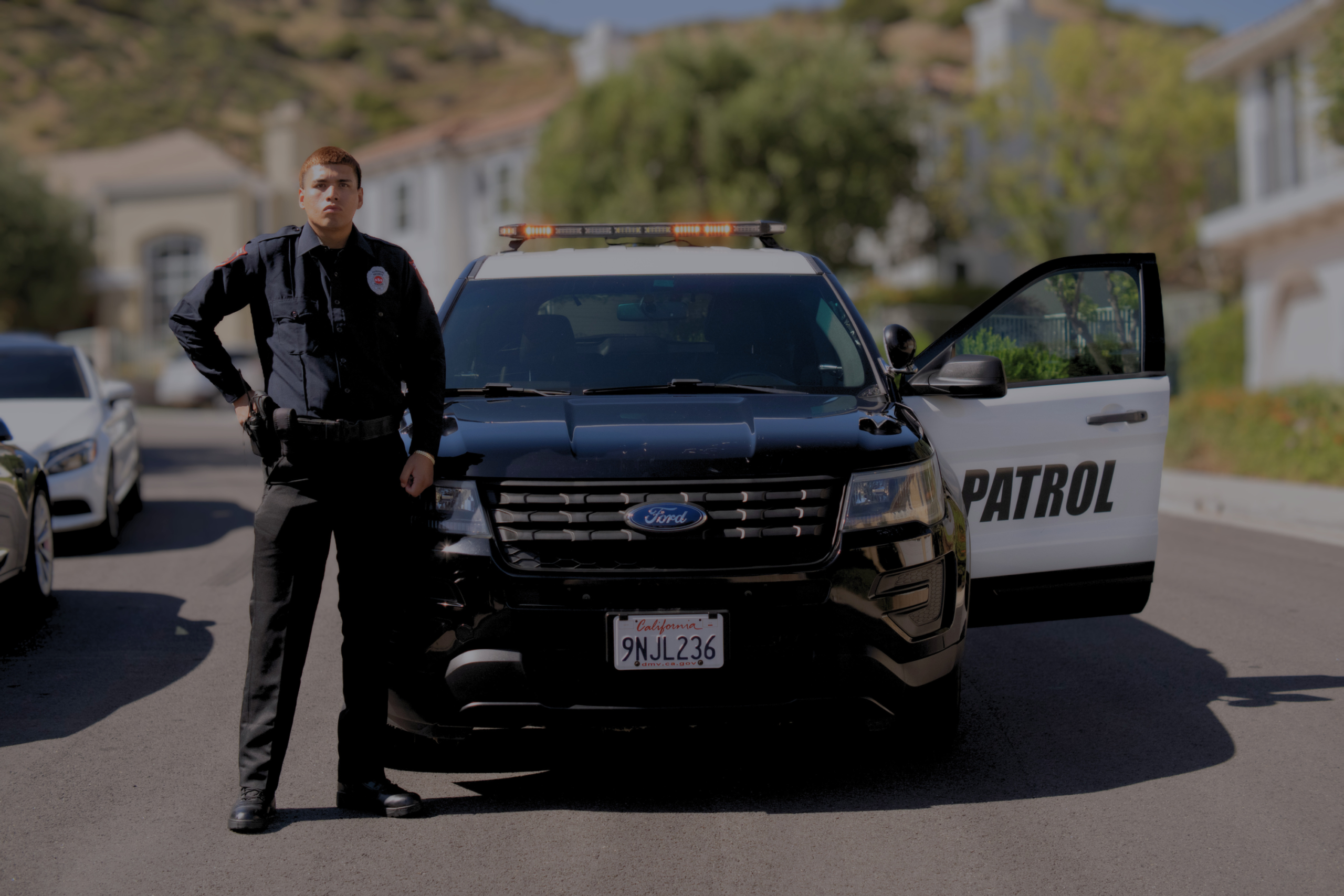
Parking lot blind spots causing security guard failures at commercial property in California
Exterior Lighting

Poor Exterior Lighting and Parking Lot Blind Spots

Parking lots are the first point of access to a private property and where most commercial break-ins start. Bad lighting, broken cameras, and shady cars pretending like they're waiting to pick someone up or have an appointment are all part of security failure. All of that can be fixed by proper patrolling and documenting by our security guards.

Paying for cameras and patrol and getting neither is the most common waste we see on commercial property security budgets. Fix it before anything else.
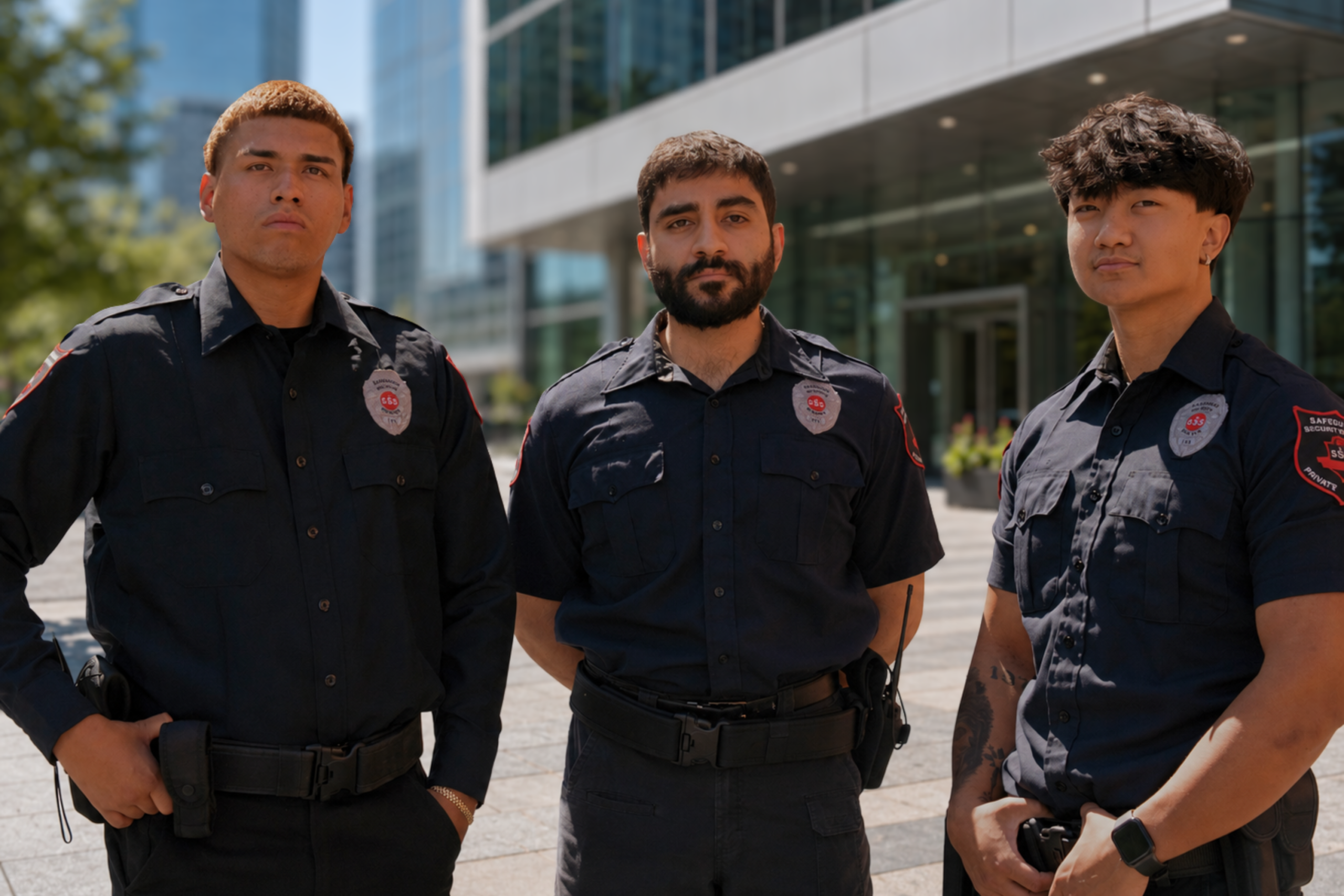
Slow alarm response causing security guard failures at California commercial property
Alarm Response

Outdated Alarm Systems and Slow Commercial Response Times

Older alarm systems route through a chain of phone calls. Central station dials the listed manager. The manager dials the security company. The security company tries the guard, who's already twenty minutes from the site. By the time anyone shows up, the loss is already in a vehicle.

A current alarm setup pushes events to a live dispatch console in under sixty seconds. When yours doesn't, the system is buying the intruder time instead of buying you a response.
Operational Failures

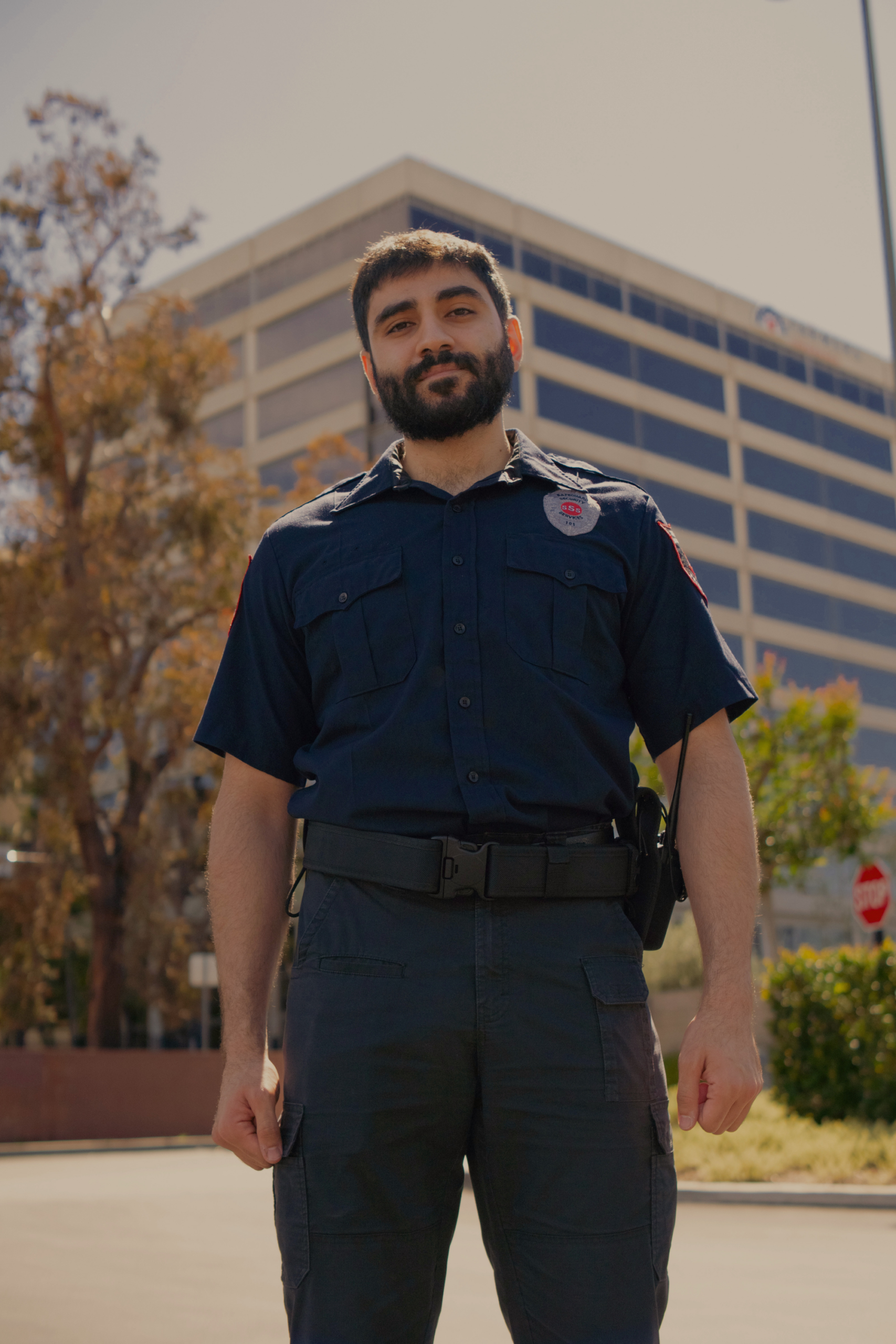
Operational and Human Security Guard Failures

This is where most security guard failures live. Not in the equipment, in the people who run it.

No After-Hours Patrol or Live Dispatch Monitoring

Commercial break-ins concentrate between midnight and 4 AM. The same window is when single-officer shifts go quiet on every property type we cover. Last year, we pulled Silvertrac records from a residential client across three months. The bulk of missed checkpoints landed between 2 and 3 AM. The pattern held across four other client sites we reviewed alongside it.

Internal Reporting Sample

Distribution of missed checkpoints by hour, overnight commercial shift

Low
Elevated
Peak Failure Window
2
10 PM
3
11 PM
4
12 AM
7
1 AM
14
2 AM
12
3 AM
6
4 AM
3
5 AM
1
6 AM
Pattern across five client sites reviewed: the bulk of missed checkpoints clustered between 2 and 3 AM, the same window when commercial break-ins peak. Numbers represent total missed checkpoints logged over a three-month sample.

A site without a callback protocol at 2:15 AM, when the 2:00 AM patrol report hasn’t come in, isn’t a site with overnight security. It’s a site with a guard who might be asleep and a company that won’t know until morning.

Weak Guard Training, Post Orders, and Site-Specific Protocols

A guard working without post orders writes their own routes. They patrol where it’s warm, skip the cold dock at 3 AM, and forget the rear gate that nobody mentioned during the hire walkthrough.


BSIS state-minimum training runs forty hours. That’s a baseline, not a ceiling. Working guards need site-specific training on your building layout, your tenant mix, and your incident history. A security company that can’t produce training records on the guards they assign you is a security company hiding a security guard failure in plain view.

No Regular Security Audit or Physical Risk Assessment

Buildings don’t audit themselves. Tenants change. New construction across the street adds blind spots that didn’t exist last year. Local crime patterns shift on a faster cycle than most security plans get updated. A commercial property security audit dated to the building’s opening day isn’t a current security plan. It’s a guess that’s been getting older every quarter.

Already paying for security but unsure what's actually happening overnight? Walk your site with a Safeguard supervisor.

Get a Walkthrough
Coverage Comparison

Guards vs. Cameras vs. Remote Monitoring: Closing These Security Guard Failures

No single tool fixes all of this. Anyone selling you a one-product answer is wrong about the work. Deeper breakdown: security guards vs. security cameras.

Capability Cameras Alarms On-Site Guard
Records the incident
Removes the trespasser
Notifies authorities
Holds the scene before LAPD arrives
Real-time judgment calls
Vendor escorts & ID checks
Visible deterrent
Swipe to see full comparison

When On-Site Guards Do What Commercial Cameras Can't

A camera records the trespasser; a guard removes them. A camera captures the broken window after the fact; a guard calls LAPD and holds the scene before backup arrives.


Commercial sites with after-hours activity, multiple tenants, or steady foot traffic need a licensed officer on the ground for the work cameras can’t do: real-time judgment calls, vendor escorts, and following up on the suspicious noise behind the loading dock before it becomes an incident report.

Why Commercial Security Cameras and Alarms Alone Won't Hold the Line

Cameras are evidence collection tools. Alarms are notification tools. Without something on the other end that can respond, neither one deters anyone.


A working commercial security plan layers all three: guards on the ground, cameras recording for evidence and review, and live remote monitoring tying both into a response chain. Pull any one of those out and the holes get wider on schedule.

Our Process

How Safeguard Closes These Security Guard Failures Before They Happen

01

Free site walkthrough.

We walk your building with you at the hours your guard would be working, not at 11 AM when everything looks calm. We map access points, blind spots, loading bays, parking exposure, and the after-hours risk windows specific to your site. This isn't a sales call dressed up in a hard hat.

02

Site-specific post orders.

Every shift on your site runs on post orders written specifically for your building. The orders list what to check, in what order, on what frequency, and what the officer does when something looks off. We don't copy and paste post orders from another property and swap the name.

03

Three-layer accountability.

Every Safeguard shift runs under three accountability layers: GPS-verified Silvertrac patrol reporting, live dispatch monitoring 24/7, and unannounced field supervisor visits. When a 2:00 AM checkpoint hasn't been logged by 2:15, dispatch dials the officer directly. Learn how we operate.

04

Reporting you can see for yourself.

You get your own Silvertrac login. Every patrol report, incident note, and timestamp lands in your dashboard as the shift produces it. Nothing is filtered out before it reaches you. A shift that goes sideways shows up in your dashboard the next time you open it.

05

30-day trial, no long contracts.

Sign on for thirty days. When we're not the right fit, you walk away with no penalty. The next month is something we earn rather than something you owe.

Three-Layer Accountability System

GPS-Verified Silvertrac

Every checkpoint logs with a timestamp and coordinate

Live Dispatch 24/7

Missed scan at 2:15? Officer gets called directly

Field Supervisor Visits

Unannounced, local, Southern California based

Phone quotes don't work for commercial security. Get a free site walkthrough with a Safeguard supervisor. We review your property in person and recommend coverage that fits the building, the hours, and the budget.

Operational Difference

Why Safeguard Doesn't Fail the Way Other Security Companies Do

Three-Layer Accountability

Three-layer accountability is the operational difference. Plenty of guard companies sell experienced guards and vanish after the first invoice clears. We supervise ours through the contract. Learn how we operate.

Same-Week Guard Replacement

Guard replacement runs on a same-week timeline. When you tell us a guard isn't working out, we swap them out without a debate and without a fee. Other companies push back. We don't.

Local Supervision

Supervision is local. Our field supervisors live in Southern California, not a national call center two time zones away. A site that needs a supervisor at 3 AM has a thirty-minute response window, not a flight.

Verified Patrols, Not Promises

Property managers always ask the same question first: is my guard really patrolling? Our dispatch team confirms it every shift. A 2:00 AM Silvertrac report that hasn't hit the system by 2:15 triggers a direct call to the officer. The log records the timestamp and officer ID. You see the record. Nobody guesses.

Credentials

Licensed, Trained, and Operating in California Since 2015

PPO License #122311, verifiable through the California Bureau of Security and Investigative Services at search.dca.ca.gov. Every Safeguard guard holds an active BSIS Guard Card and trains beyond the state minimum in de-escalation, customer service, and incident report writing. The company has operated in Southern California since 2015. Silvertrac runs on every shift across every site. Fully insured.

122311

PPO License

Verifiable at search.dca.ca.gov

2015

Operating Since

Southern California

40+

BSIS Training Hours

Plus site-specific training

100%

Silvertrac Coverage

Every shift, every site

Client Reviews

What Our Clients Say

Rated Excellent on Google

★★★★★5.0 from clients across Southern California

★★★★★

"Professional team that takes security seriously. Response times excellent, communication top notch."

DM

David M.

Google Review

★★★★★

"Best security company in the area. They go above and beyond what's expected. Highly recommend."

JP

James P.

Google Review

★★★★★

"Outstanding service. Guards well-trained, attentive, truly care about the properties they protect."

SK

Sarah K.

Google Review

★★★★★

"Excellent service from day one. Our property is secure and we have complete peace of mind."

PL

Patricia L.

Google Review

★★★★★

"Safeguard Security has amazing service. Guards are polite, productive, efficient and trustworthy."

CV

Carlos V.

Google Review

★★★★★

"Great service and great pricing. Very professional! Glad we chose to partner with SafeGuard."

MH

MyST H.

Google Review

★★★★★

"Pleasure to work with Safeguard. Reliable, professional, great rates, always on time."

RC

Riley C.

Google Review

★★★★★

"Nicest people to work with. Owners very professional, genuinely cared to help. Worth the peace of mind."

AC

Alen C.

Google Review

Scroll to see more
Coverage Area

Areas We Serve

Safeguard protects commercial properties across Los Angeles County, Orange County, the San Fernando Valley, Ventura County, and the surrounding region. Locally based supervisors, locally based dispatch, and a thirty minute response window at 3 AM instead of a flight.

10+
Years in Southern California
6
Counties Covered
24/7
Local Dispatch

Los Angeles County

Orange County

San Fernando Valley

Ventura County

Riverside County

San Bernardino County

From Burbank to Long Beach
Walk your property with a Safeguard supervisor to find security guard failures at California commercial property
Walk Your Property With a Supervisor

If your last security company can't tell you when the last checkpoint was logged, the failure already happened.

Phone quotes don't work for commercial security. We schedule a site walkthrough with a Safeguard supervisor, review your property in person, and recommend coverage that fits the building, the hours, and the budget. The walkthrough is free.

Schedule a Site Walk

Walk Your Property With a Safeguard Supervisor

Phone quotes don’t work for commercial security. We schedule a site walkthrough with a Safeguard supervisor, review your property in person, and recommend coverage that fits the building, the hours, and the budget. The walkthrough is free.

Call (877) 766-5499, or use the contact page to schedule a site walk.

Response

Same-Day for Emergencies

FAQ

Frequently Asked Questions

How do I know your guard is actually patrolling and not sitting in the parking lot?
Every Safeguard guard runs Silvertrac with GPS-verified checkpoints. The timestamp and location of every patrol report sit in your dashboard as the shift produces them. A 2:00 AM checkpoint that hasn't logged by 2:15 triggers a direct dispatch call to the officer. You log in anytime to see the same data we see.
What happens if a guard misses a checkpoint on my property?
Live dispatch flags the miss within fifteen minutes. The officer gets a direct call. When the officer doesn't respond, the field supervisor rolls to the site. Every missed checkpoint and the reason behind it lives in Silvertrac and gets reviewed on the next shift handoff. You see the same record we do.
Can I see the patrol reports from my property in real time?
Yes. You receive your own Silvertrac login. Every patrol report, incident note, and timestamp appears in your dashboard as it happens. Nothing is curated before it reaches you. A guard who logs a propped door at 1:14 AM shows up in your record at 1:14 AM.
Are your guards BSIS licensed and what training do they get beyond the state minimum?
Every Safeguard guard carries an active BSIS Guard Card. State minimum is forty hours. Our guards complete site-specific training on your post orders before the first shift, plus ongoing coursework in de-escalation, customer service, report writing, and incident response. We don't put a guard on your site who hasn't walked the property first.
What is your PPO license number and how do I verify it?
PPO License #122311, held since 2015. Verify it at search.dca.ca.gov, the official California Bureau of Security and Investigative Services license lookup. Insurance documentation, BSIS-licensed officer rosters, and references are available before you sign anything.
How much does a commercial security guard cost per hour in California?
Unarmed guards run $28 to $45 per hour in 2026. Armed guards run $38 to $65 per hour. Pricing variables: post type, total coverage hours, site location, contract length, armed or unarmed, and how complex the building is. A warehouse with loading docks prices differently than a residential lobby. Event coverage prices differently than roving patrol. Full breakdown: security guard cost in California.
How fast can you staff a new site if I sign this week?
Same-day coverage for emergencies. Three to five business days for a planned start with full post orders, a site assessment, and a supervisor walkthrough. We don't drop a guard on your site without a written post order, because that's where security guard failures start at other companies.
Why does your service cost more than the company quoting me $20 per hour?
At $20 per hour to your business, the guard is being paid $13 or less after overhead. Trained, reliable officers don't stay at that rate. Cheap-rate companies cover the math by cutting supervision, cutting training, and rotating new guards through your site every month. Our pricing reflects what it costs to keep a trained, supervised guard on your post. More on this: why the cheapest security company costs you more.
What if I don't like the guard you assign?
Tell us, and we replace the guard within the same week. No debate, no fee, no explanation required from you. We track which officers work well at which sites and adjust accordingly. A guard who's failing on your property is information we want before you do. See our hiring standards for context on who ends up on your post.
What's the most common security guard failure you see on commercial property contracts?
Unsupervised guards on long overnight shifts. The officer signs in at 10 PM and disappears. No callback from dispatch, no reports filed and no checkpoint data. By the time the client looks at the records, three months of patrols never happened. Silvertrac and live dispatch exist to close exactly this kind of security guard failure.
Call Now